
Race training
Different races break runners in different ways.
The Spine Race and the Marathon des Sables are both multi-day ultras, and almost nothing about preparing for them is the same. One is cold, wet, dark and mostly walked with a heavy pack in January. The other is hot, dry and run on sand with everything you'll eat for a week on your back.
These guides describe what each race actually demands, where runners tend to come apart, and what I'd train for it. Read the one for your race; the field notes carry the methods in detail.
Desert and heat
Heat raises your fuel burn, steals your fluid and lowers the effort ceiling your brain will allow. These races are decided by heat preparation, fuelling discipline and how well you move at a controlled effort when running stops being possible.
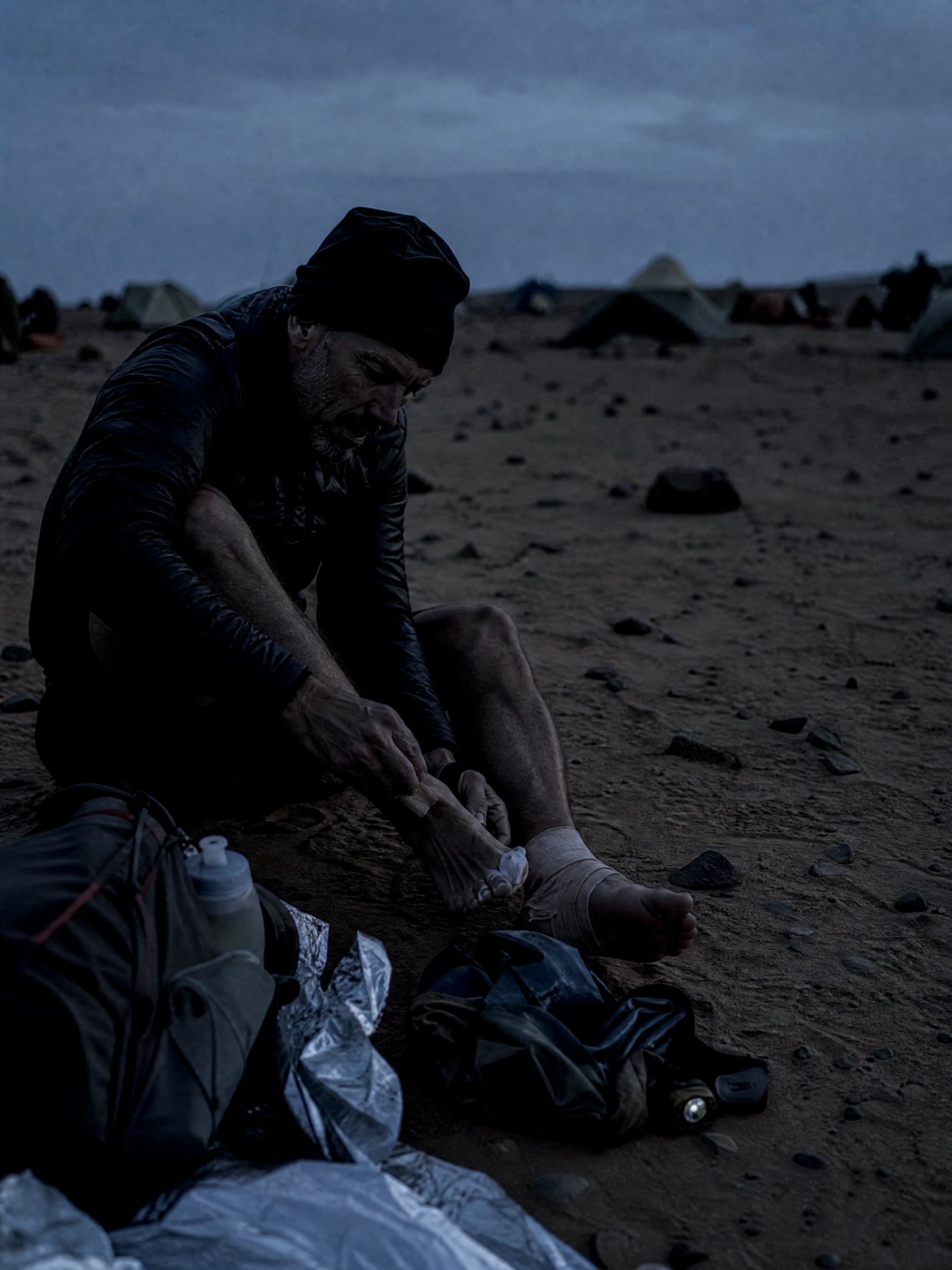
Desert · six stages · self-sufficient
Marathon des Sables
What the MdS actually demands, where runners come apart, and how I'd prepare you: heat, pack, walking economy, feet and fuelling. From a 2003 finisher going back in 2027.
8 min read →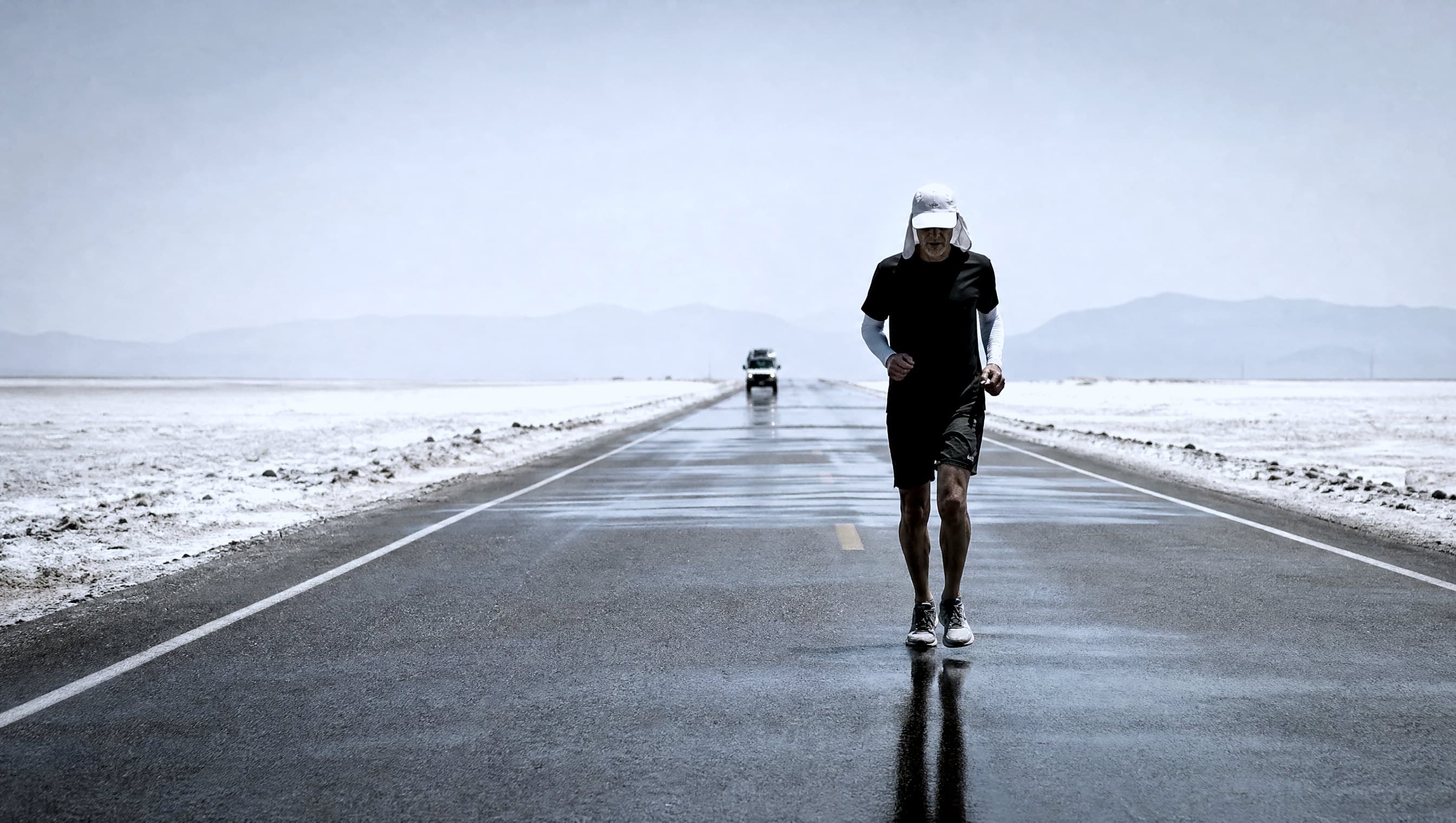
Road · 135 miles · 47°C
Badwater 135
What Badwater demands: Death Valley in July, three long road climbs, no aid stations, a crew that decides your race, and a 45-hour limit. How I would prepare a runner over 40 for it.
8 min read →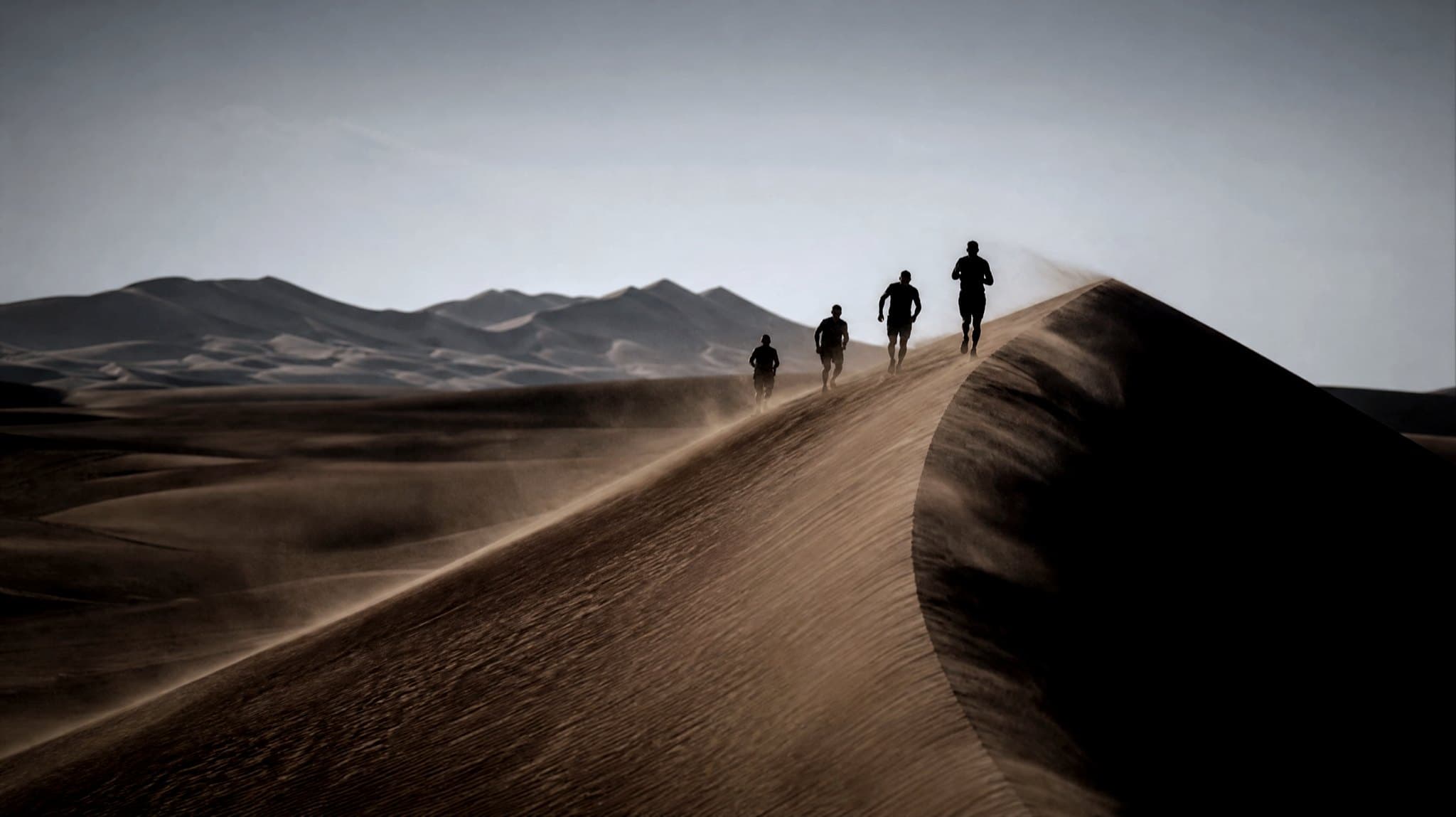
Desert · 165 km · five stages · sand
Oman Desert Marathon
What the Oman Desert Marathon demands: five self-sufficient stages in the Wahiba Sands, soft dunes late in the day, a night stage and a small field. What is confirmed for 2027, and how I would prepare a runner over 40 for it.
7 min read →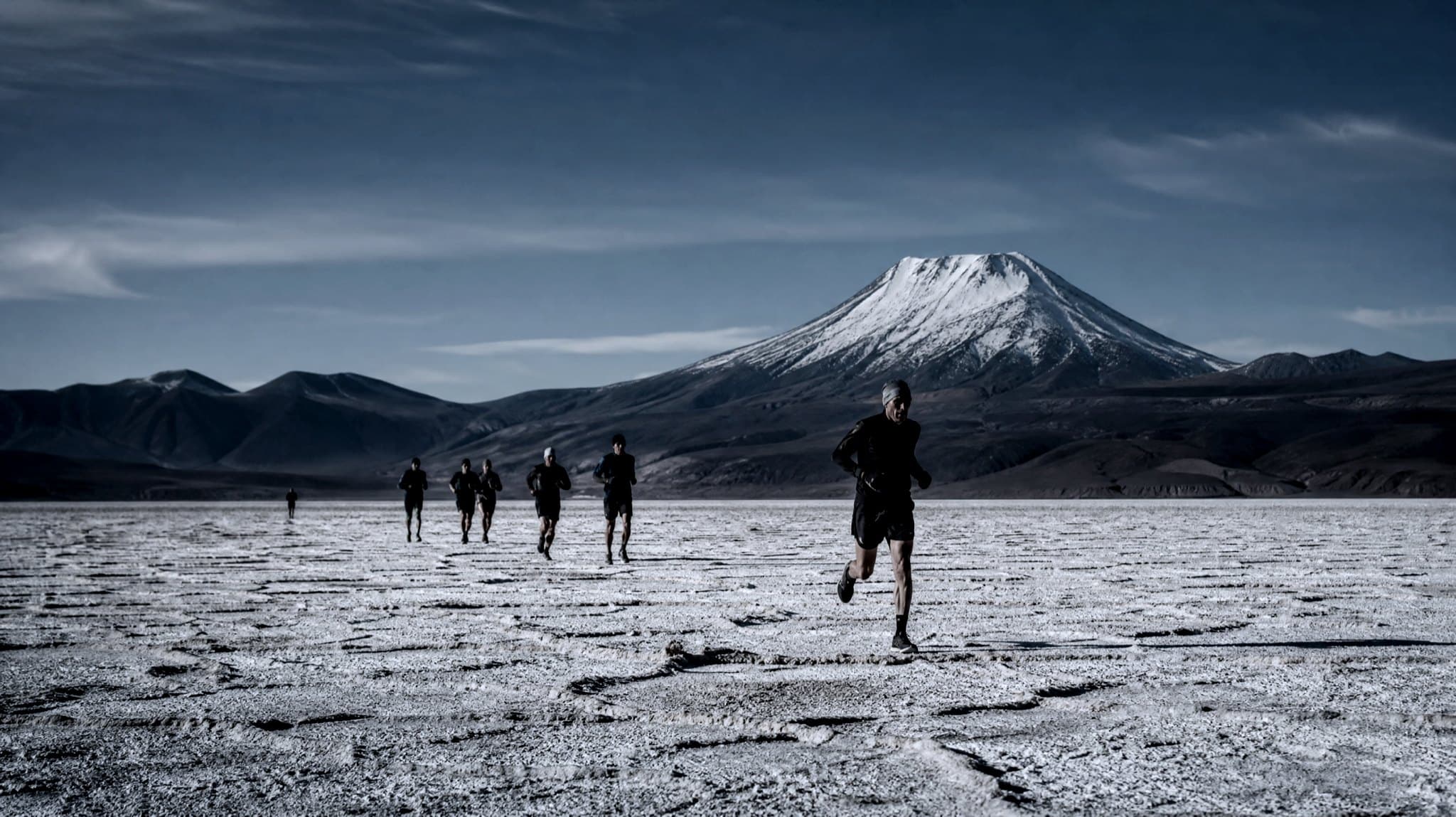
Desert · altitude · 250 km self-supported
Atacama Crossing
What the Atacama Crossing demands: a start at 3,200 m, more descent than climb, nights near freezing, salt flats and an 81 km Long March on day five. How I would prepare a runner over 40 for the April 2027 race.
7 min read →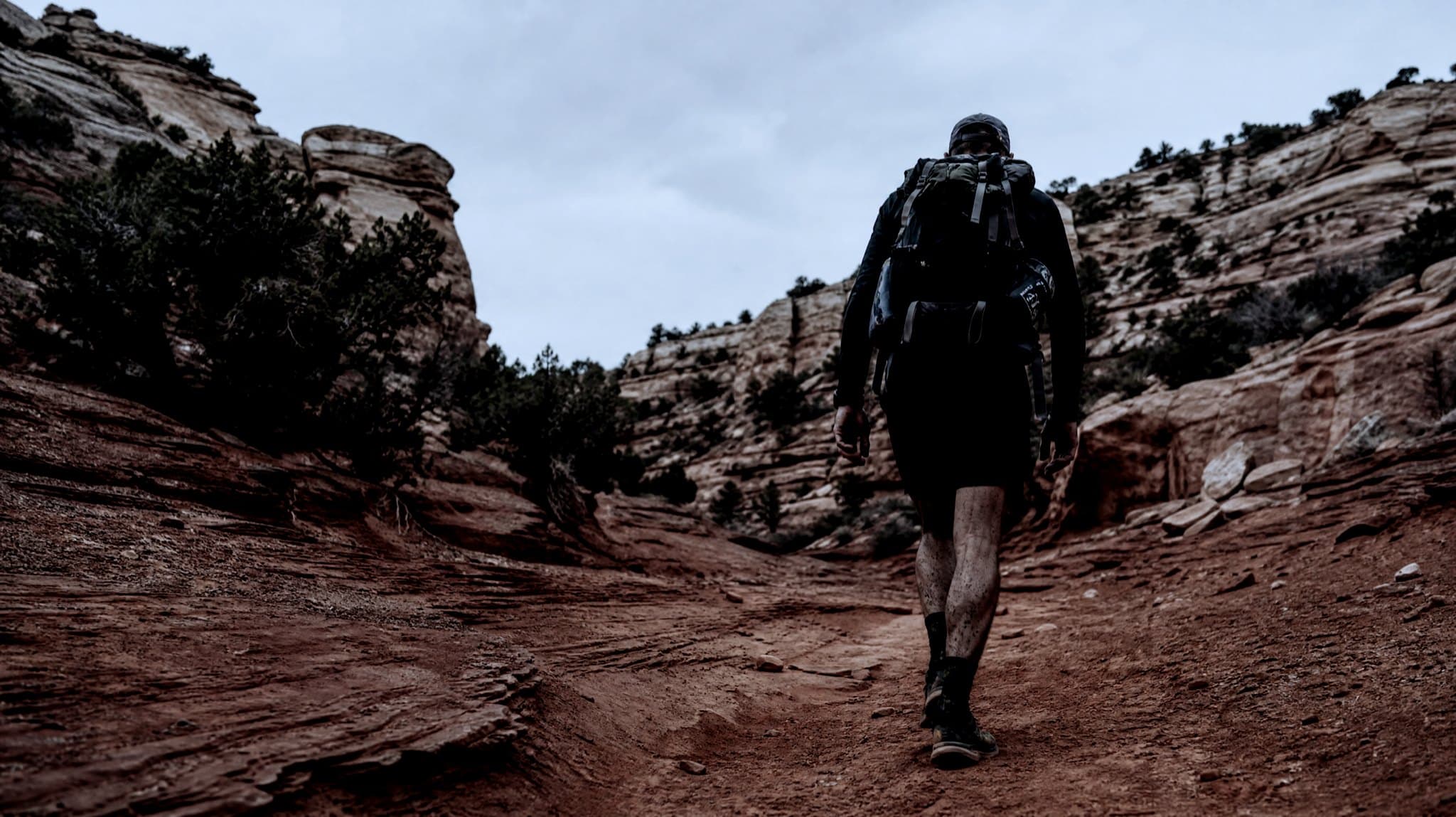
Desert · 275 km · 5,207 m climbing
Grand to Grand Ultra
What the Grand to Grand Ultra demands: six self-supported stages, 5,207 m of climbing, water by the litre, an 85 km third stage with a 34-hour cut-off, and cold nights at altitude. Preparing for the 2027 Founders' Farewell Edition.
7 min read →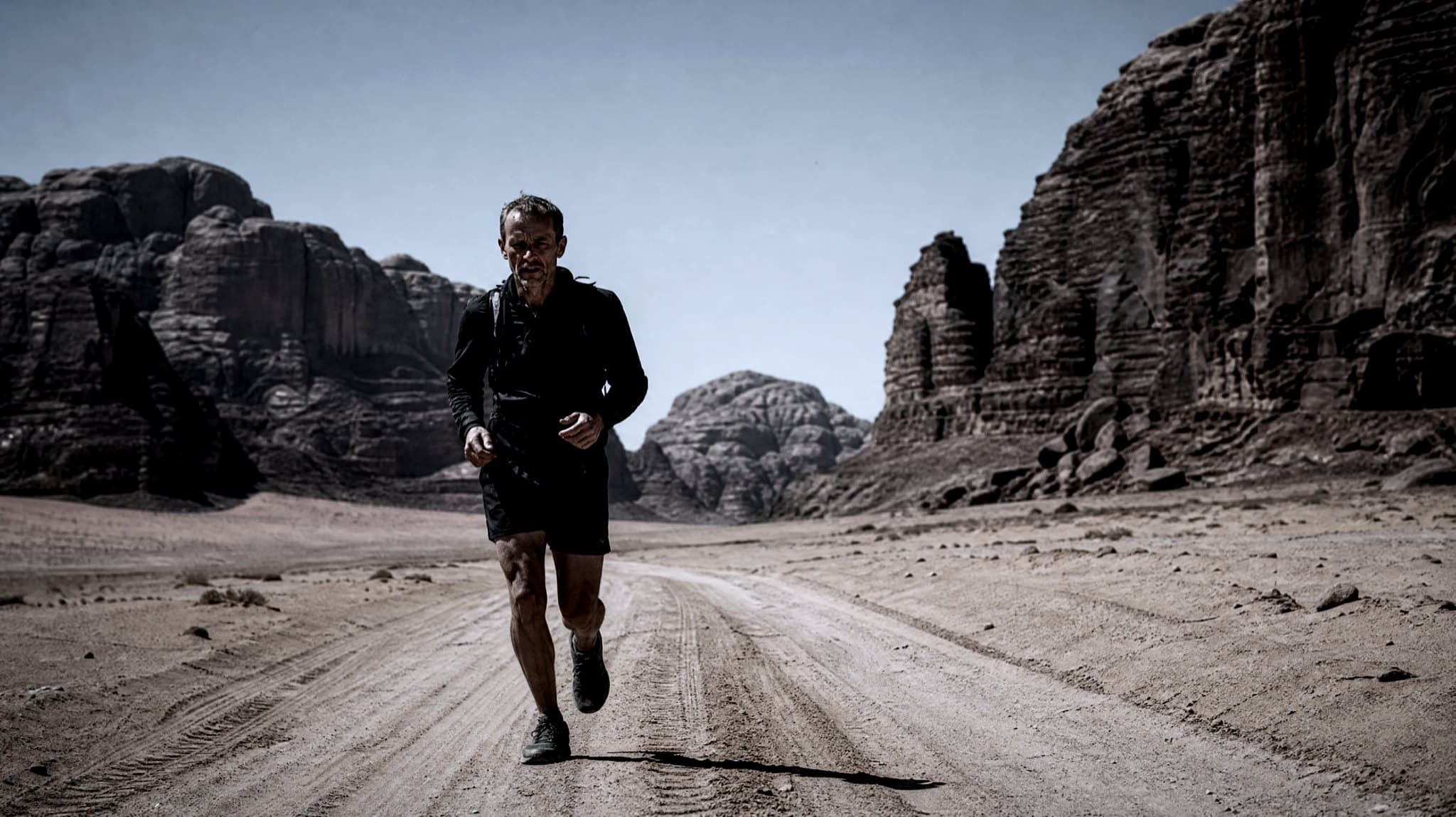
Desert · 220 km · bags moved for you
Ultra X Jordan
What Ultra X Jordan demands: 220 km over five days in Wadi Rum, a 60 km third stage, heat on consecutive days and a lighter daily pack, because it is not self-supported. Why that changes the training, and how I would build it.
7 min read →Mountain and technical
Climbing costs fitness; descending costs muscle. Mountain races are usually lost on the descents, hours after the legs first started paying for them, which makes eccentric strength and downhill exposure the core of the preparation.
Alpine · 174 km · two nights
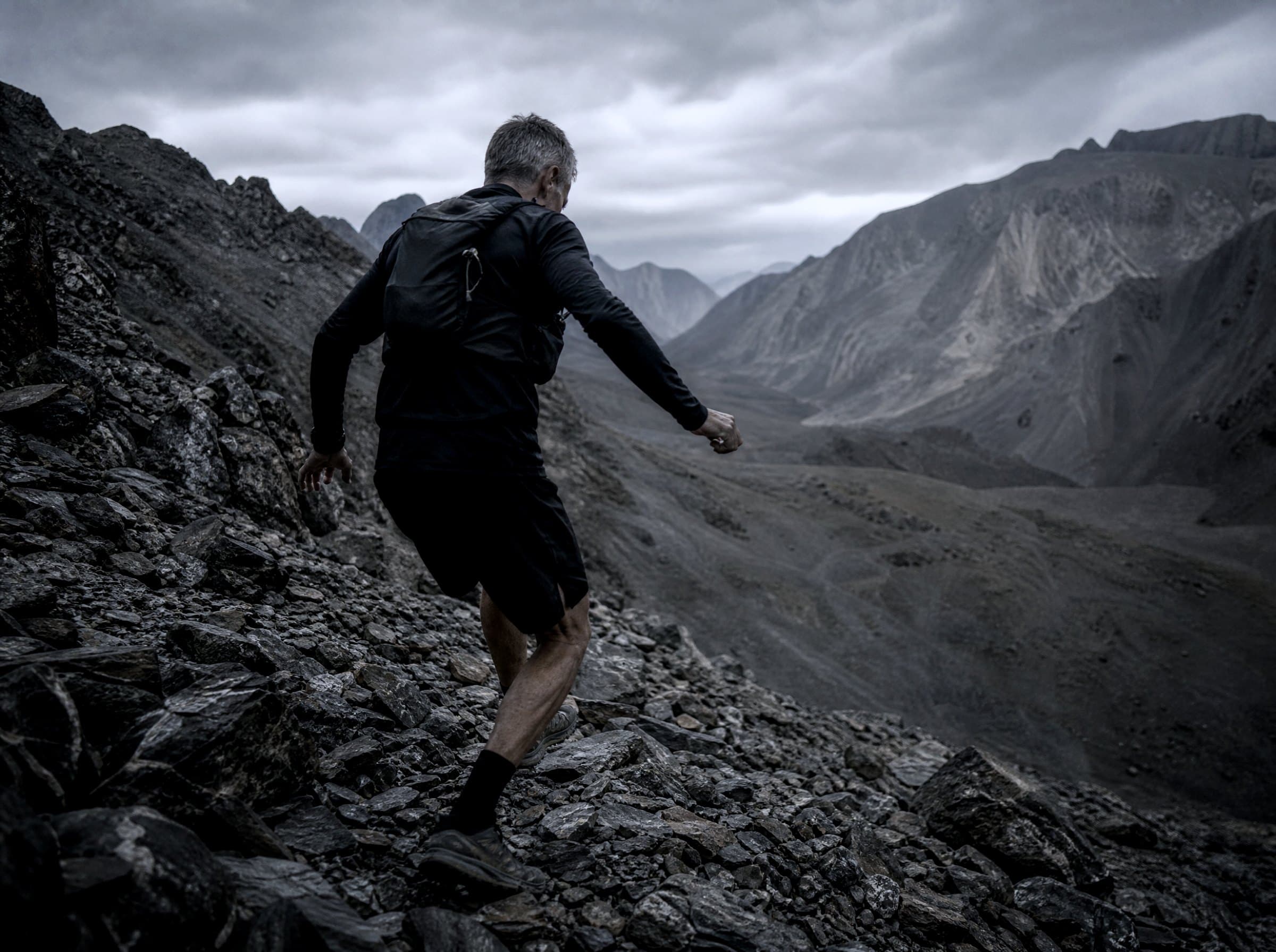
UTMB
UTMB is not a long flat ultra with hills. It's 10,000 m of climbing and, more to the point, 10,000 m of descending. What that does to legs, and how to prepare for it.
8 min read →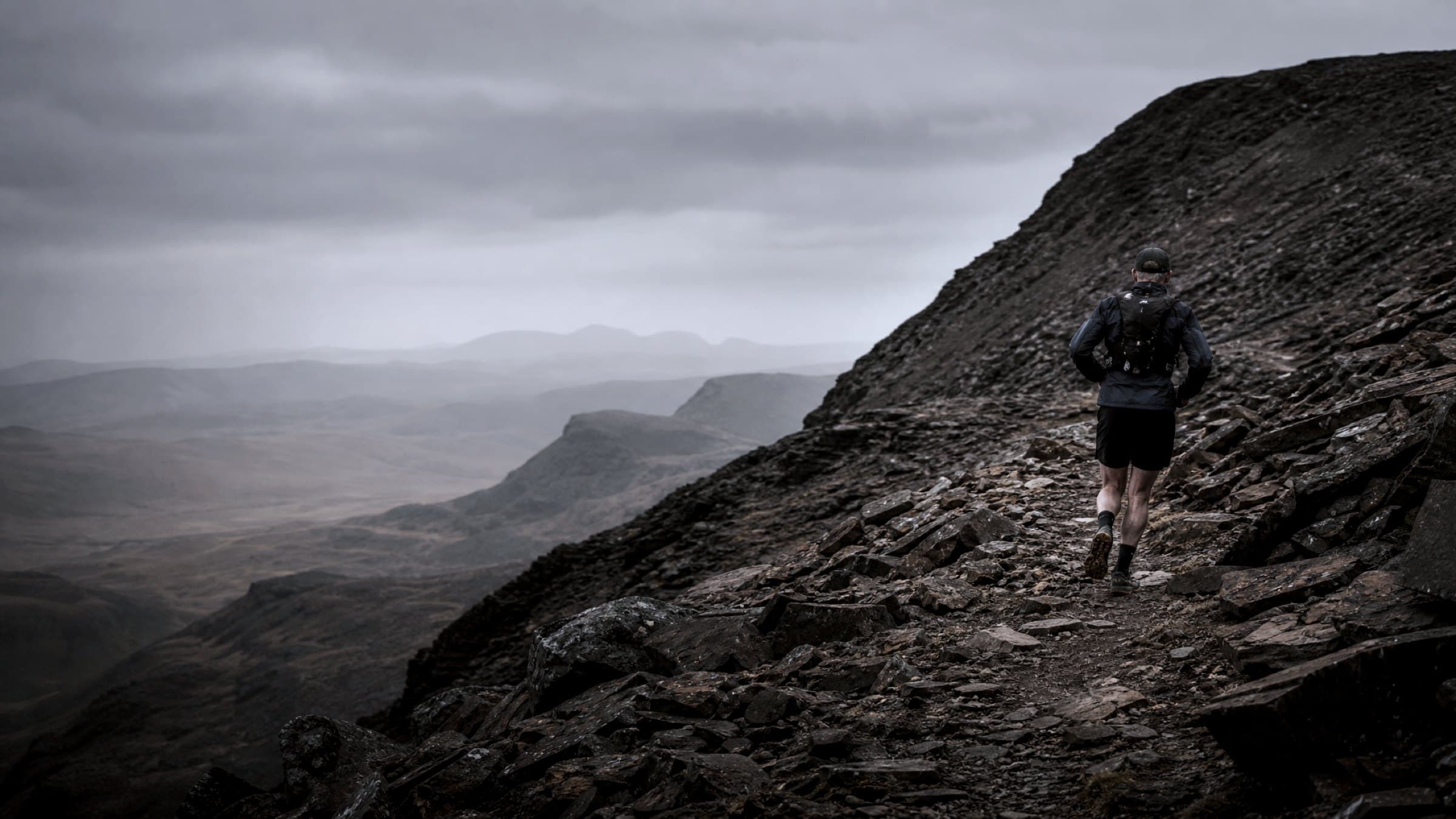
Mountain · six days · self-navigated
Dragon's Back Race
The Dragon's Back is not a stage race with scenery. It's six consecutive days of trackless Welsh mountains, and the damage of day one is still with you on day six. How to prepare for that.
7 min read →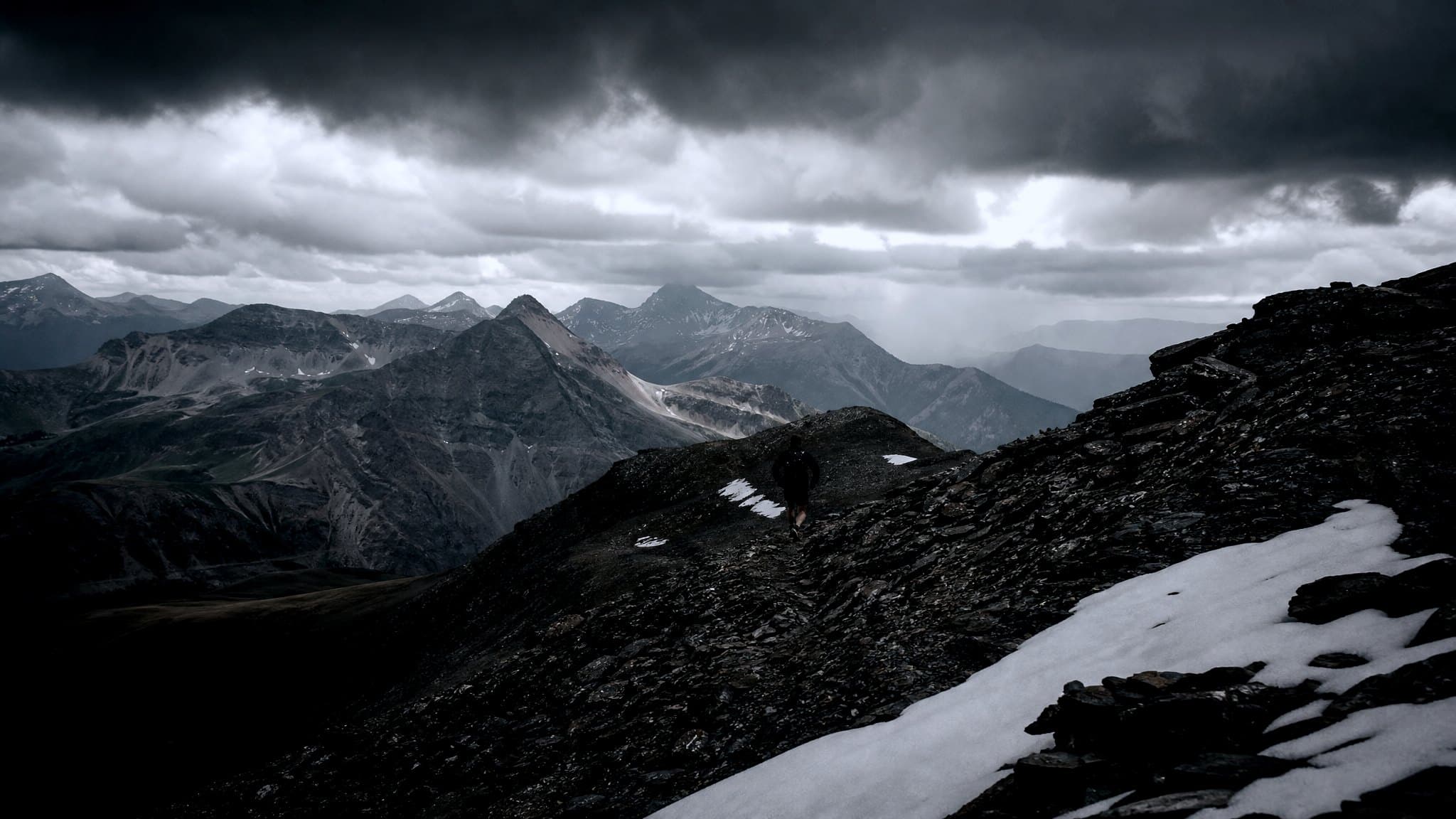
Alpine · 13 passes · 33,000 ft
Hardrock 100
What the Hardrock Hundred demands: 33,441 ft of climbing at an average of 11,000 ft, Handies Peak at 14,048 ft, scree, snow, lightning and 48 hours. How I would prepare a runner over 40 for it.
8 min read →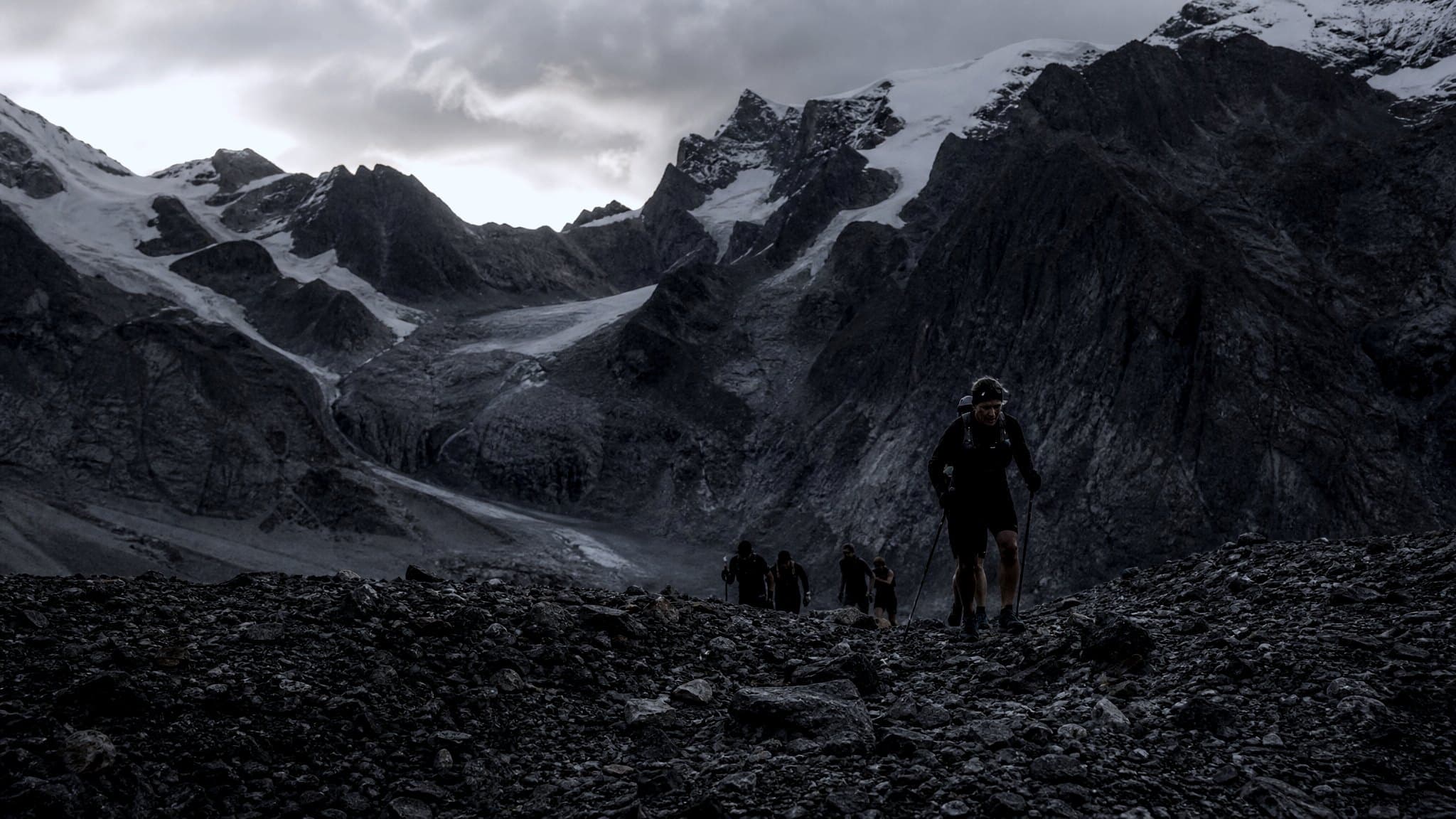
Alpine · 330 km · 150 hours
Tor des Géants
What the Tor demands: about 25,000 m of climbing on the Aosta Valley high routes, six days with the clock running, sleep only where the organisers allow it, and kit for winter at 3,000 m. How I would prepare a runner over 40 for it.
8 min read →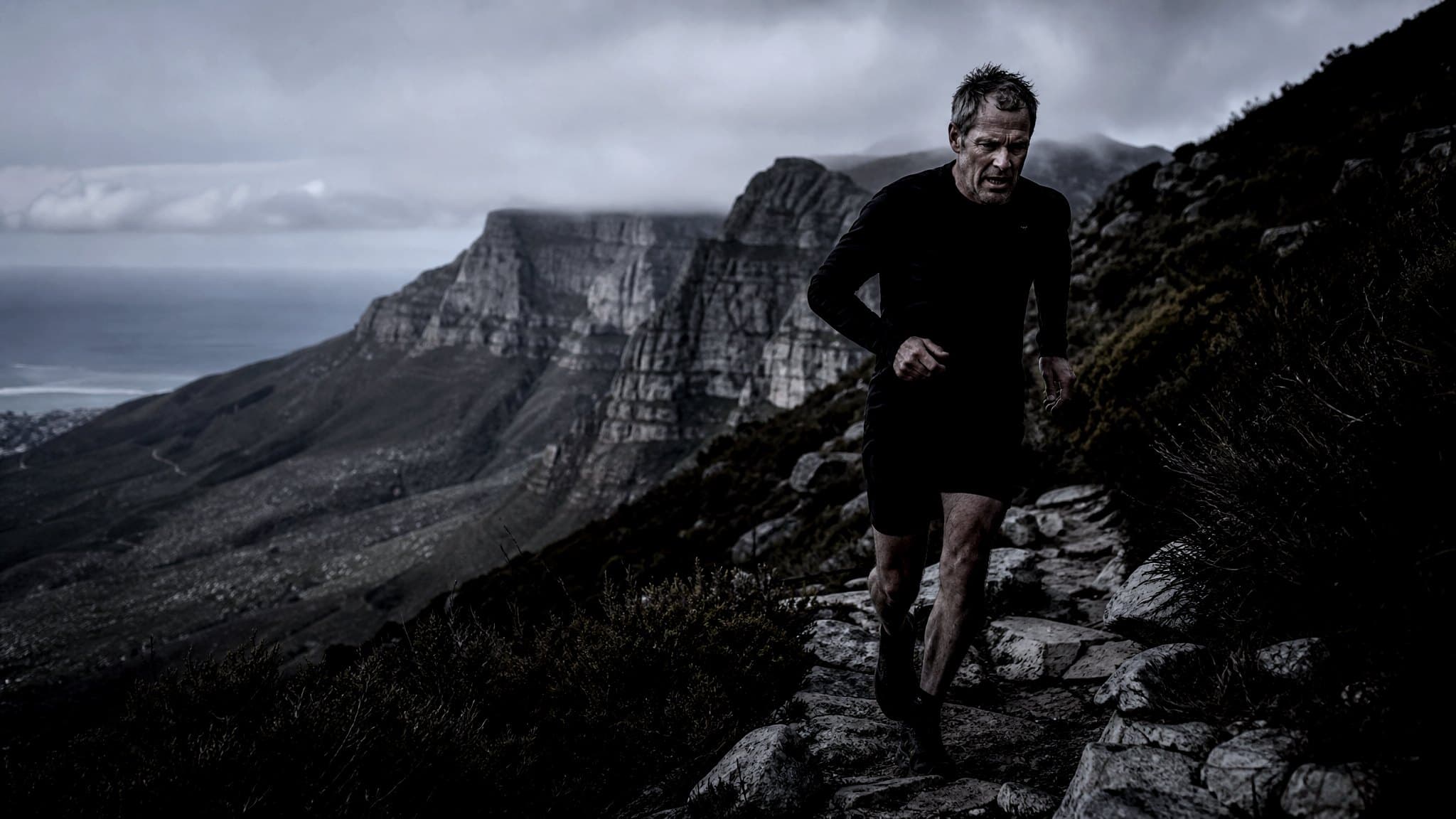
Table Mountain · 100 km or 100 miles · steep
Ultra-Trail Cape Town
What UTCT demands: about 50 metres of climbing per kilometre, Platteklip Gorge at 876 m in 4.8 km, a summit that can be single digits while the coast is 30°C, and a 100-mile version with two nights. How I would prepare a runner over 40 for it.
7 min read →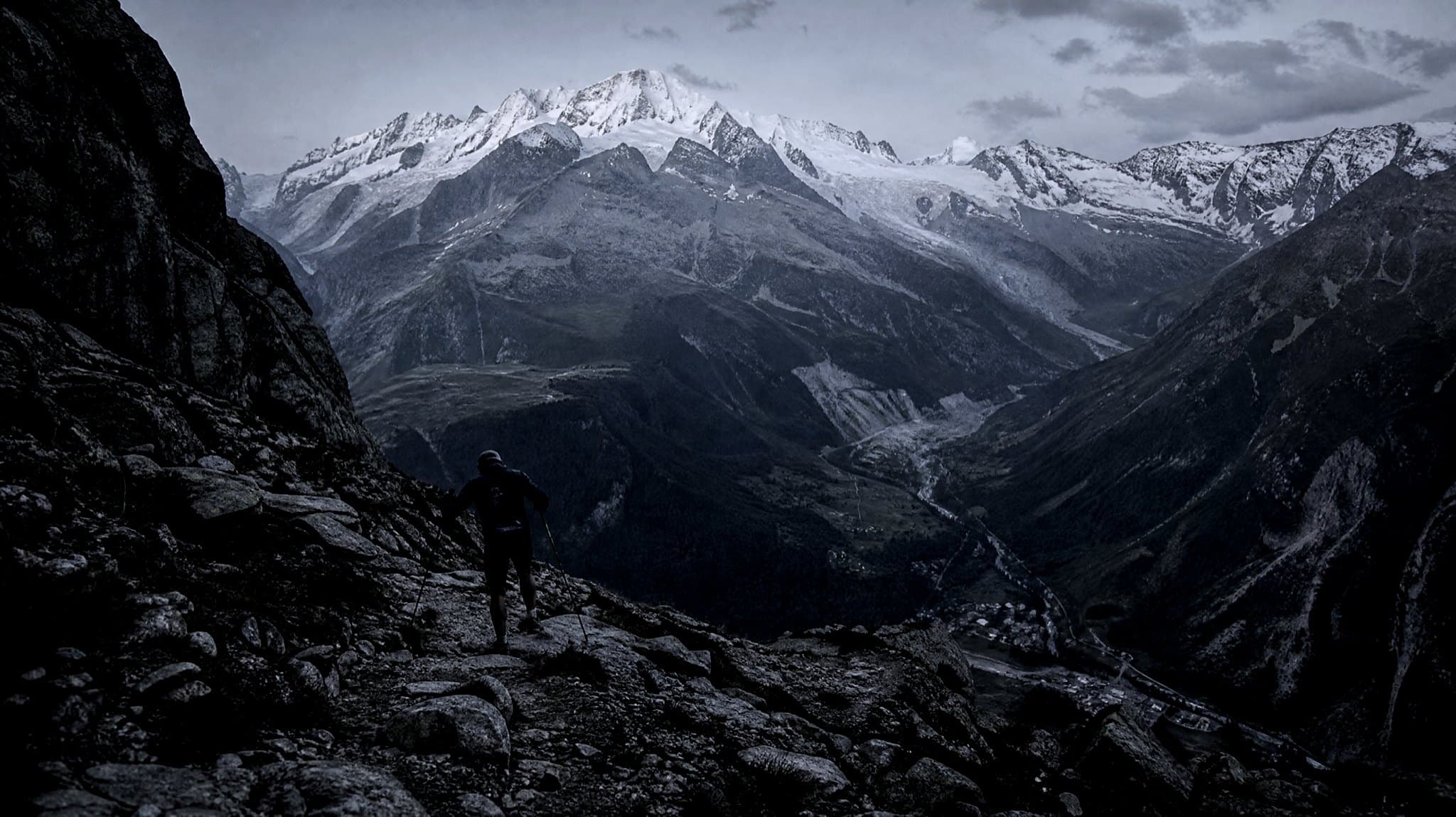
Alpine · 101 km · the step before UTMB
CCC
What the CCC demands: about 101 km and 6,000 m of climbing from Courmayeur to Chamonix, a race that turns after Champex-Lac, and a lottery that feeds UTMB. How I would use it as the step before the full loop.
8 min read →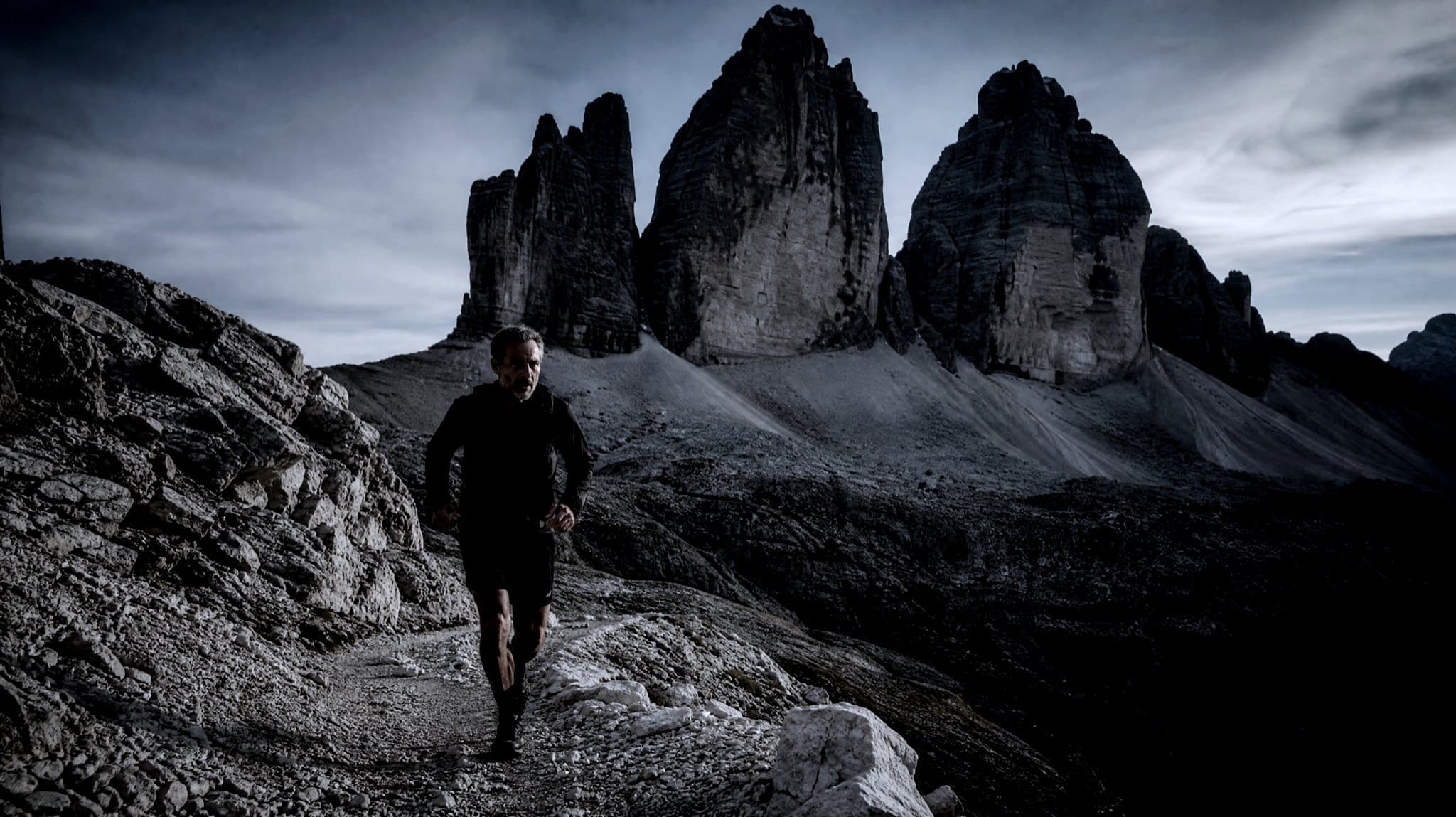
Dolomites · 120 km · 23:00 start
Lavaredo Ultra Trail 120K
What the Lavaredo 120K demands: a 23:00 start in Cortina, the Tre Cime at dawn on no sleep, a stony back half and two climbing figures that disagree. How I would prepare a runner over 40 for it.
8 min read →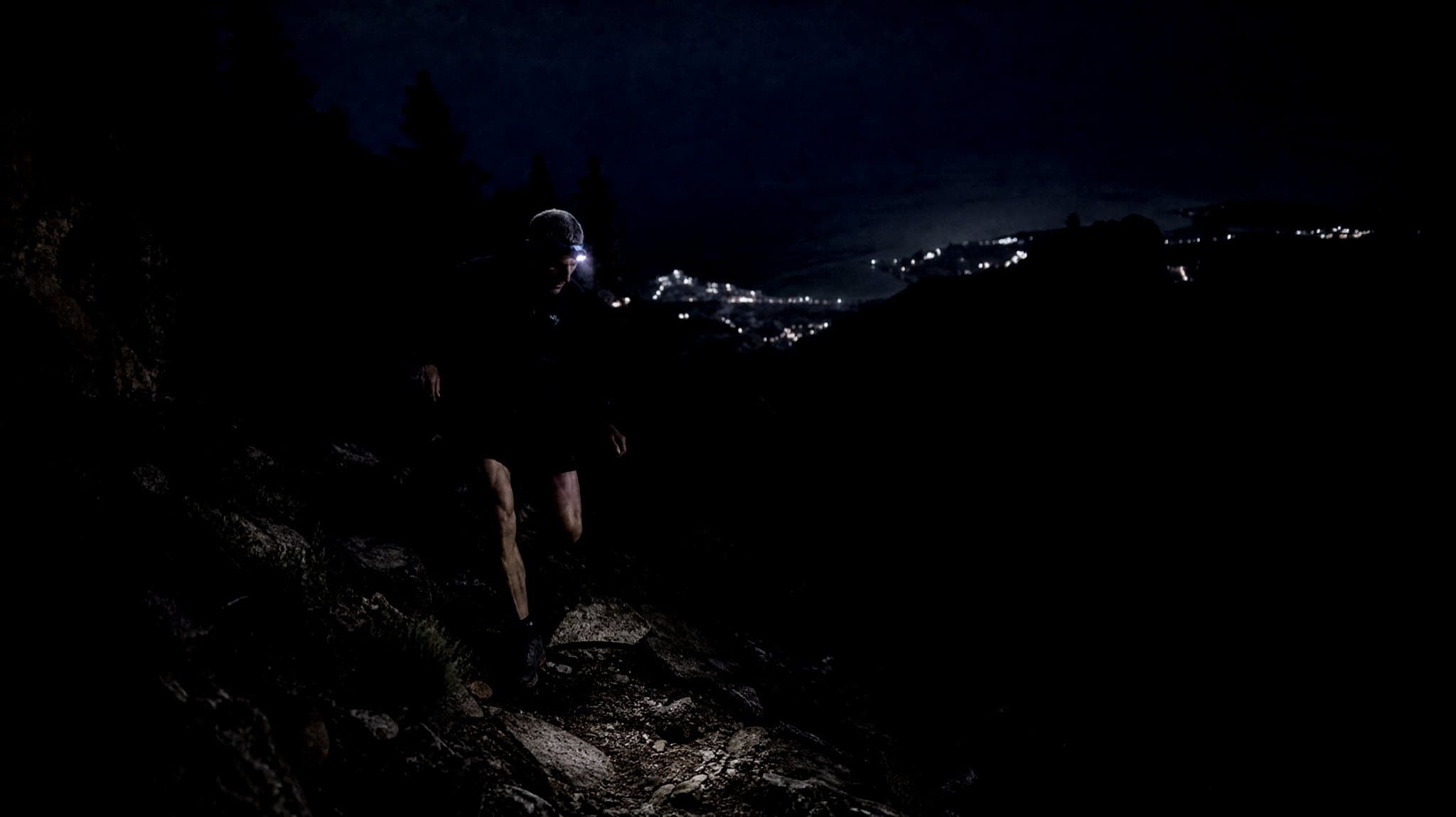
Island · 126 km · midnight start
Transgrancanaria Classic
What the Transgrancanaria Classic demands: 126 km and 6,764 m of climbing across Gran Canaria, a 23:59 start, heat by midday and a late-February date that means a British winter build. How I would prepare a runner over 40 for it.
8 min read →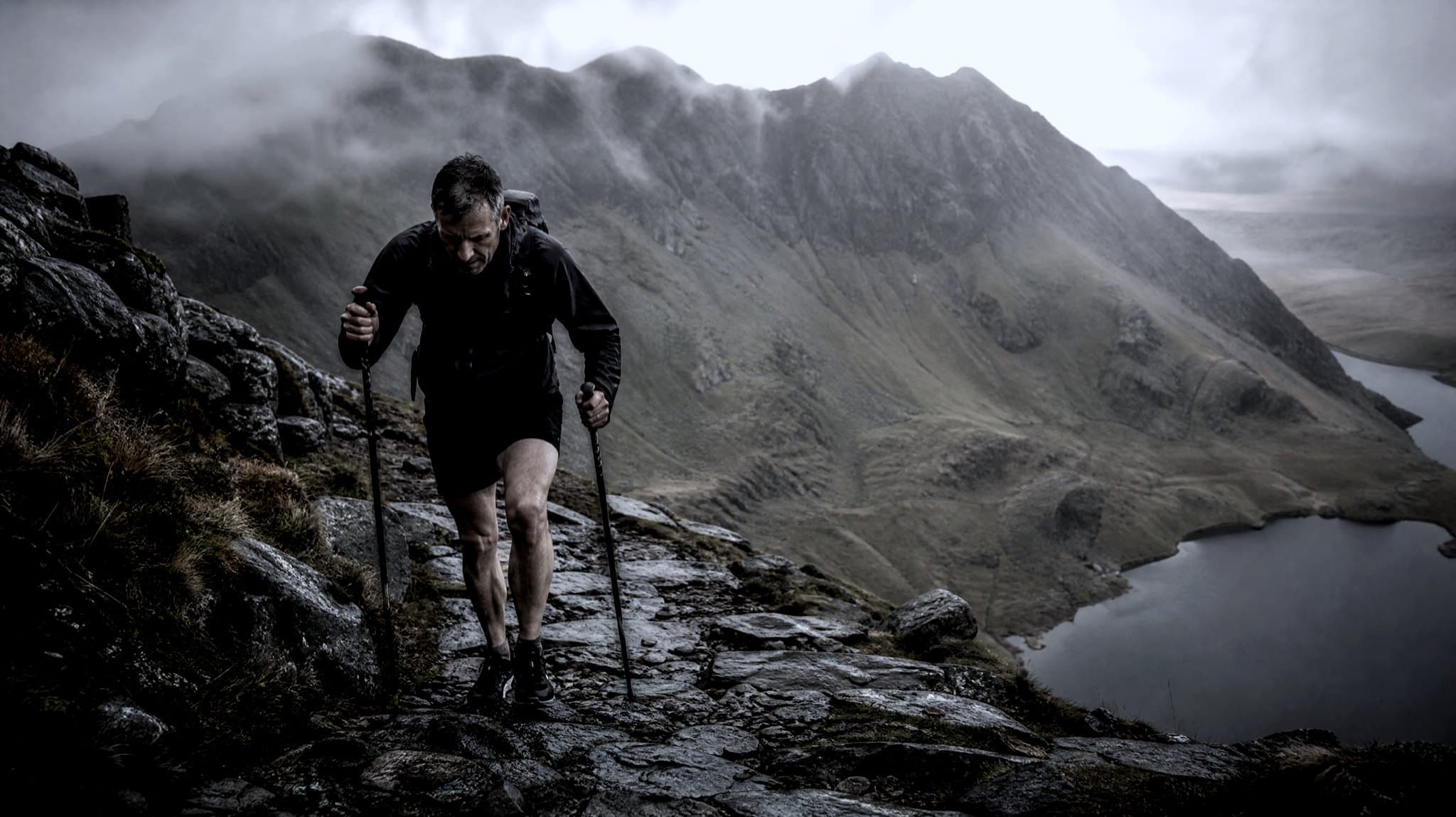
Mountain · 163 km · two nights
Eryri 100M by UTMB
What the Eryri 100M by UTMB, formerly Ultra-Trail Snowdonia, demands: 163 km and 9,200 m over Yr Wyddfa twice, the Glyderau, Carneddau and Nantlle ridge, two nights out and a 40% finish rate in 2026. How I would prepare a runner over 40 for it.
8 min read →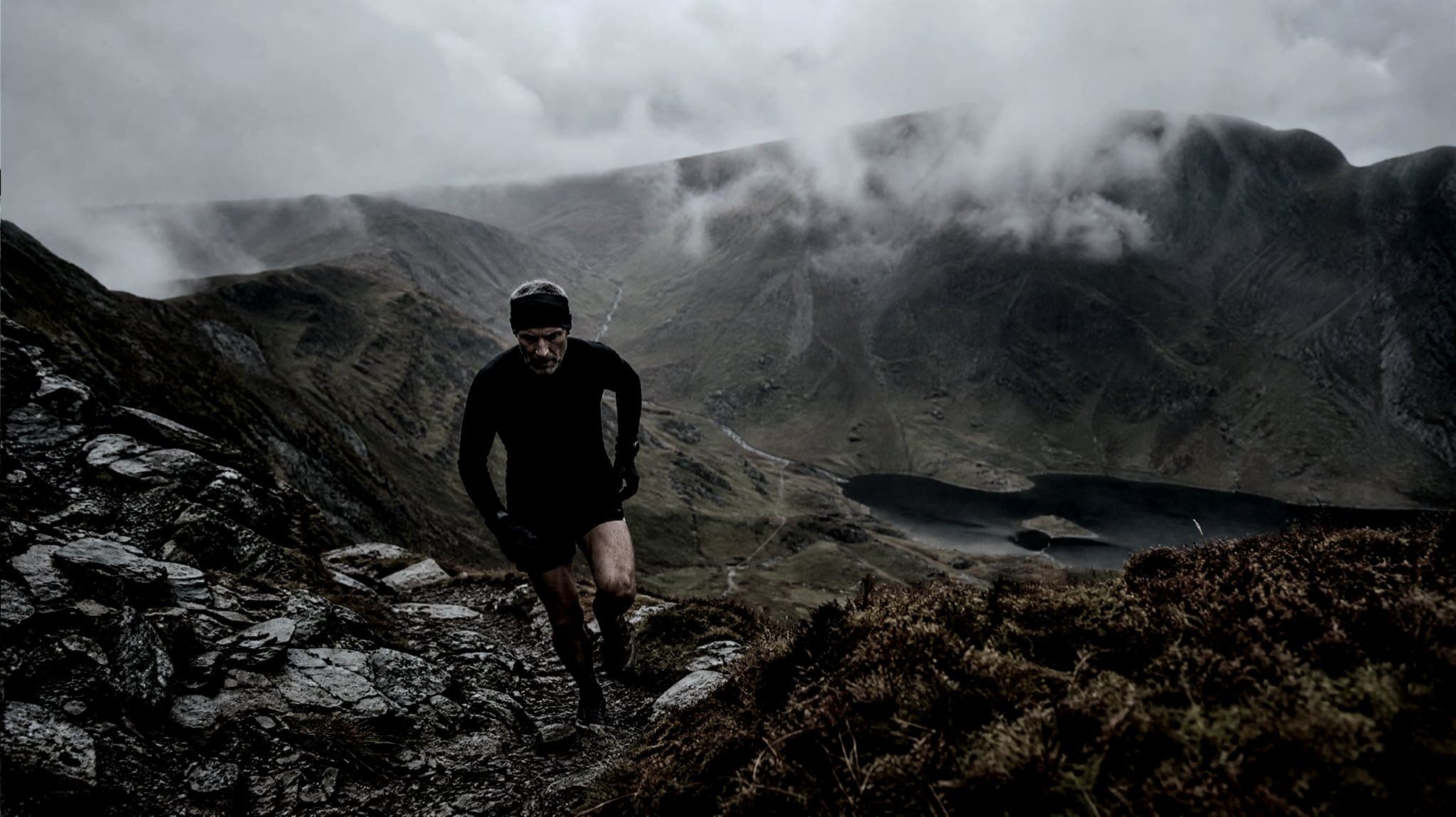
Fells · 50 miles · north to south
Lakes in a Day
What Lakes in a Day demands: 80.8 km from Caldbeck to Cartmel with 4,000 m of climbing, Blencathra by Hall's Fell, the Helvellyn ridge, navigation that is mostly yours and an October finish in the dark. How I would prepare a runner over 40 for it.
7 min read →100 miles and long trail
A hundred miles is an eating and pacing problem wearing a running costume. The winners are rarely the fittest; they're the ones still absorbing fuel and still moving with intent through the second night's low.
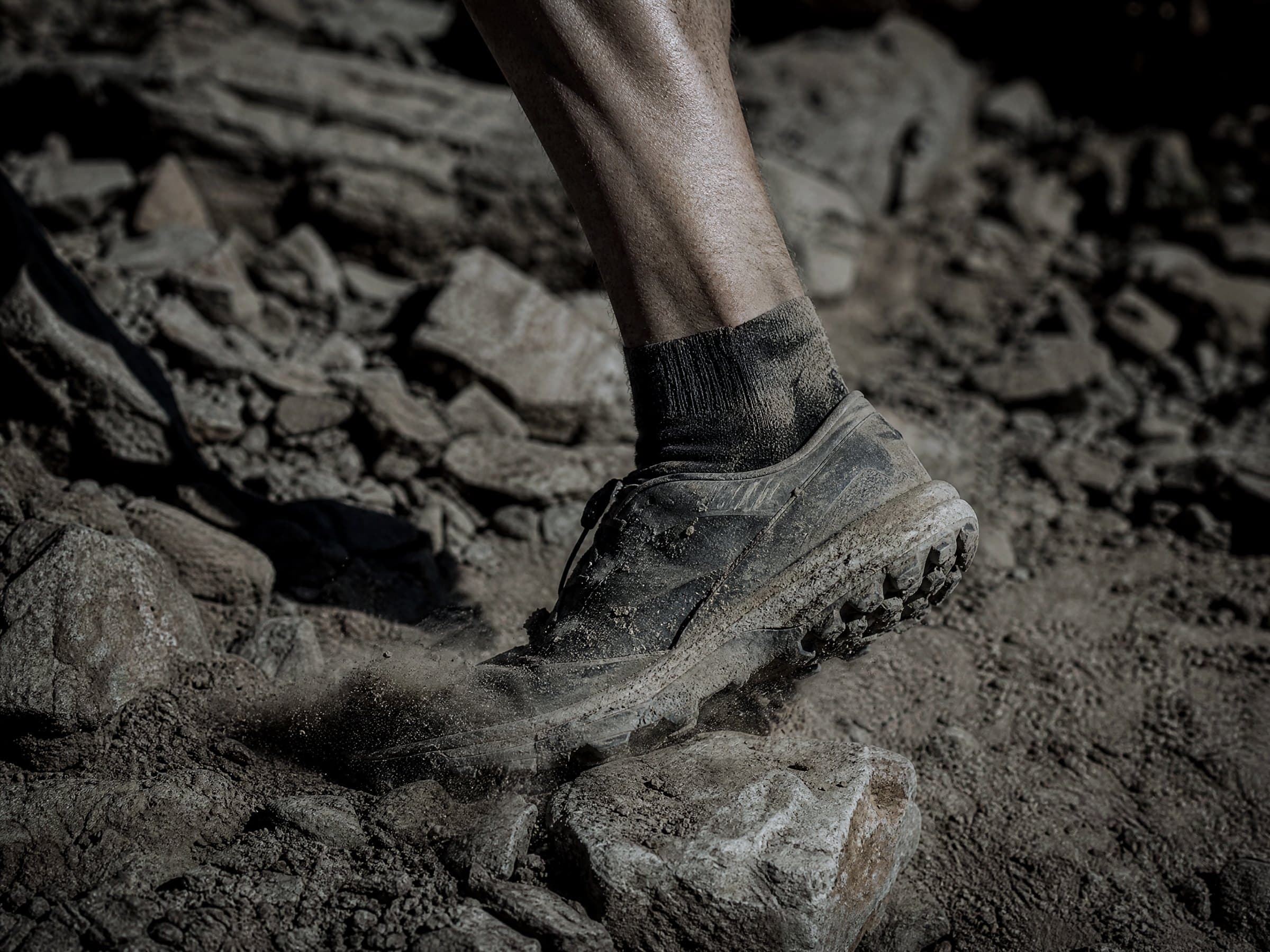
Fell · 105 miles · self-navigated
Lakeland 100
The Lakeland 100 asks for fell running, navigation and a strong night, all on tired legs. What the Ultra Tour of the Lake District demands and how to build for it.
7 min read →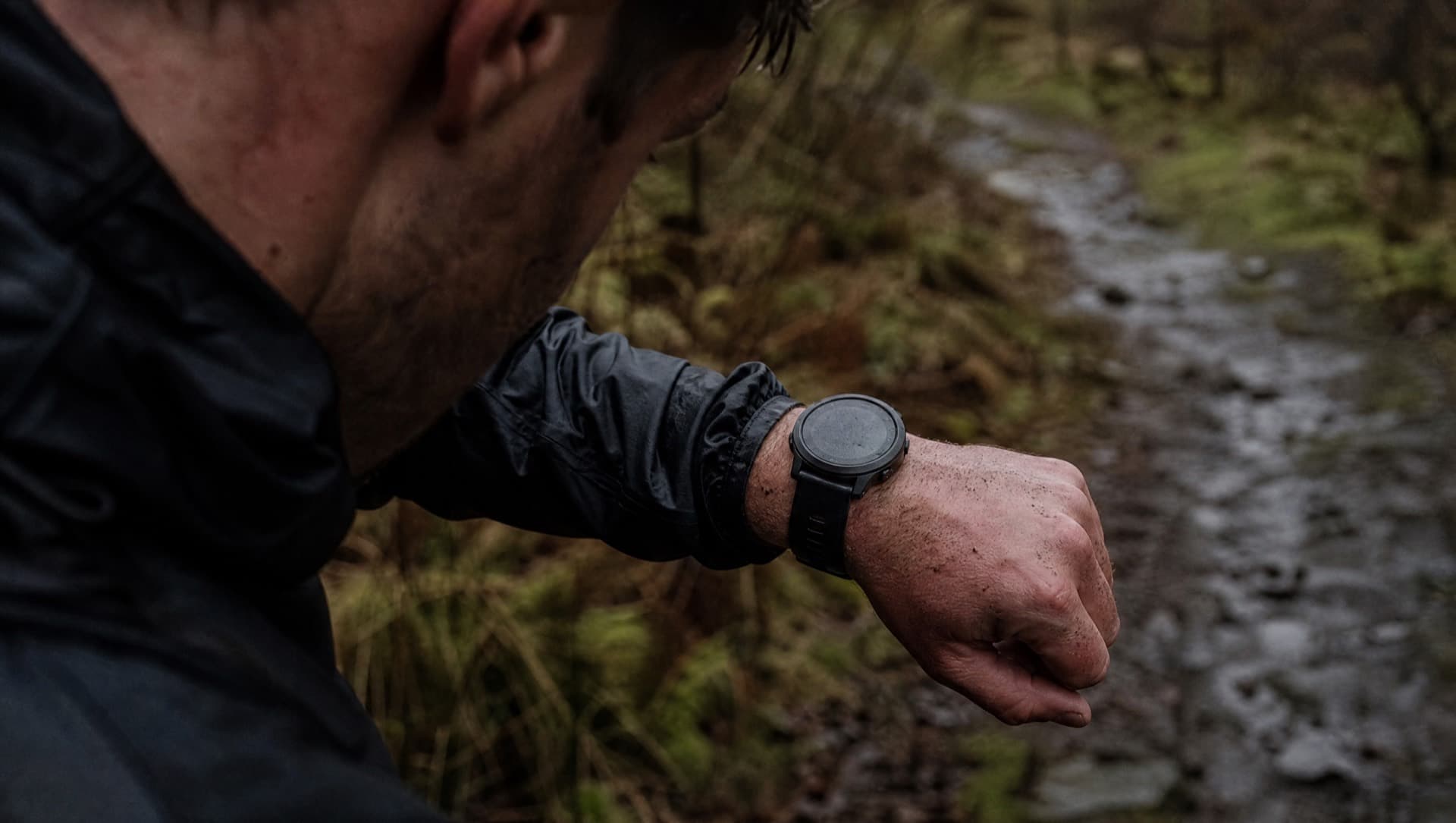
Winter coast · 100 miles · brutal
Arc of Attrition
The Arc is not a generic 100 miler. It's the South West Coast Path in January, at night, in Atlantic weather, with a DNF rate over half. What that actually asks of you.
7 min read →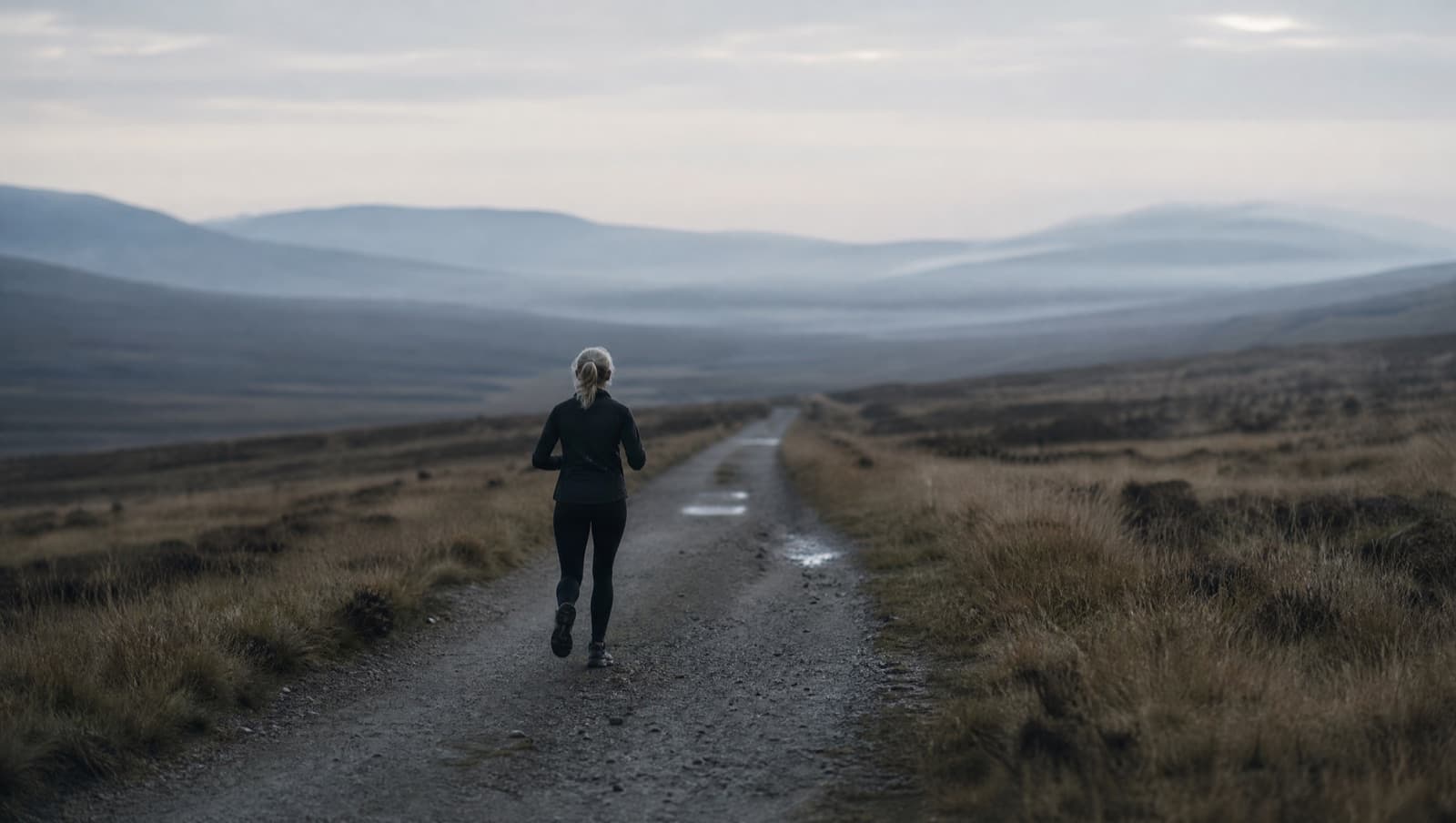
Runnable · 100 miles · chalk downland
South Downs Way 100
The SDW100 has nowhere to hide. It's runnable chalk downland, which sounds friendly and isn't: with no terrain to force a walk, durability shows up as the pace you can still hold at mile 80.
7 min read →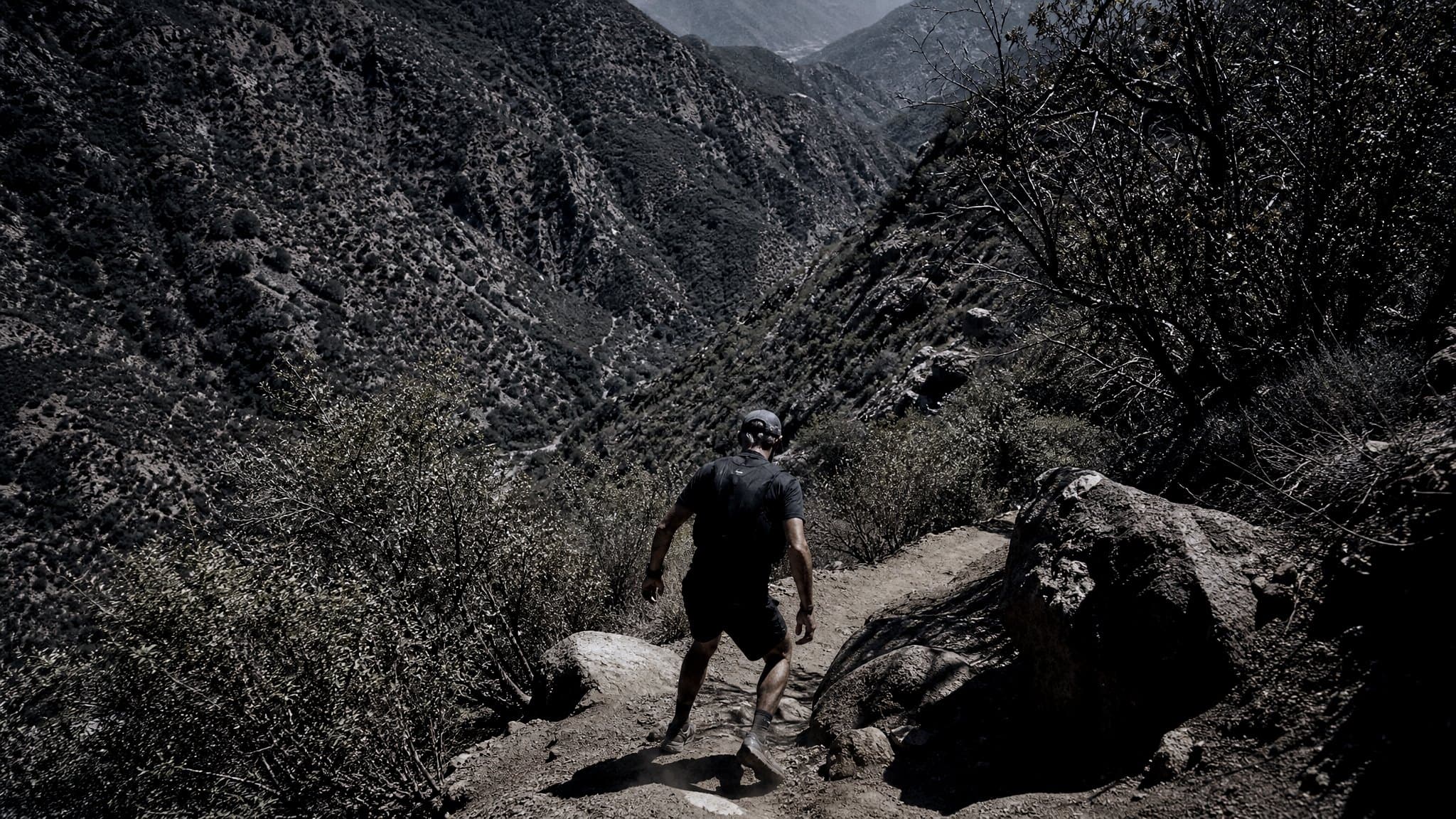
Canyons · heat · 100 miles
Western States 100
What the Western States Endurance Run demands: 22,970 ft of descent, canyon heat above 40°C, a river crossing at mile 78 and half the course in the dark. How I would prepare a runner over 40 for it.
8 min read →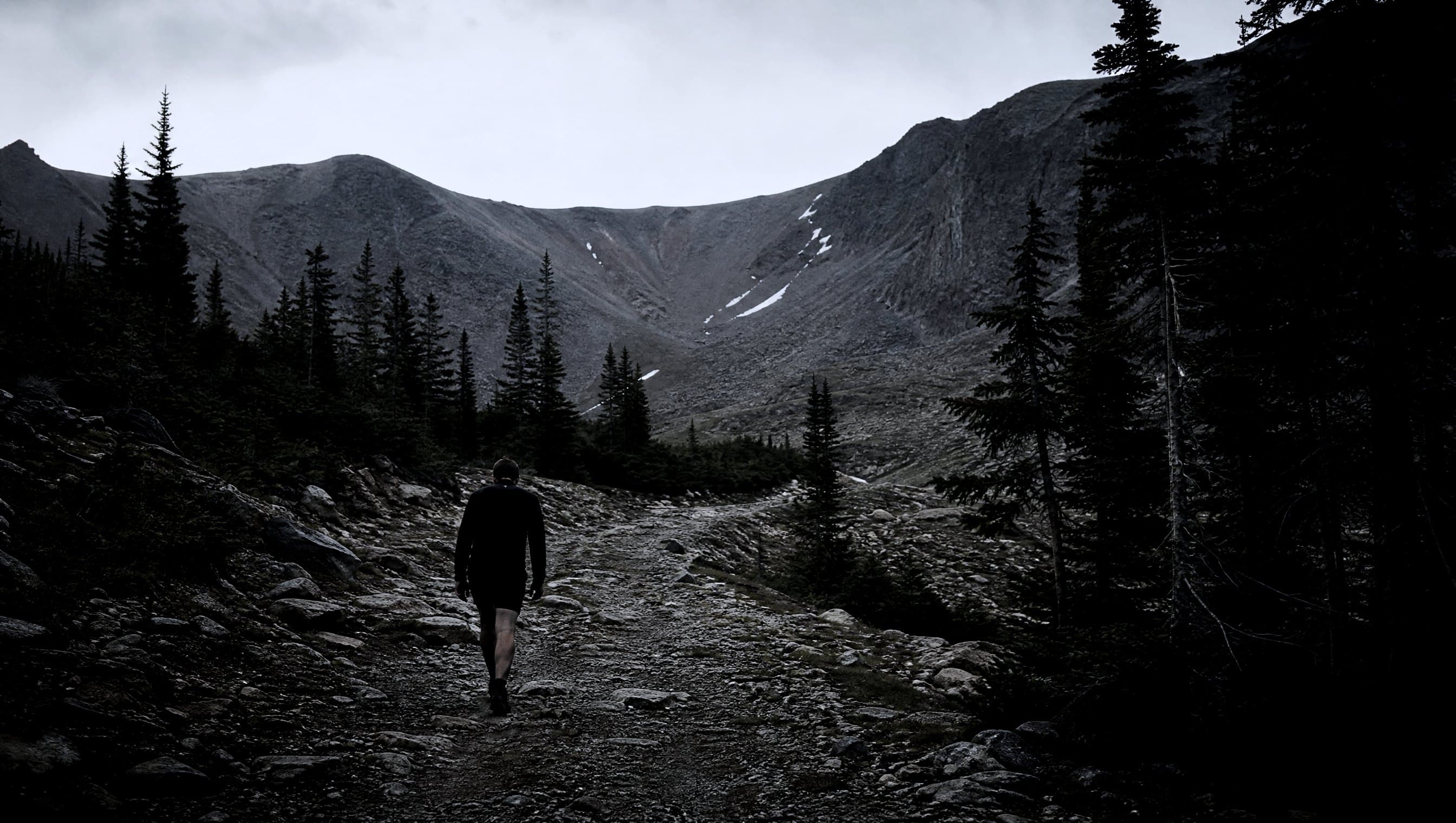
Altitude · Hope Pass twice · 100 miles
Leadville Trail 100
What the Leadville Trail 100 Run demands: a start at 10,200 ft, Hope Pass at 12,526 ft crossed twice, cold nights, lightning and a 30-hour limit that beats four in ten. How I would prepare a runner over 40 for it.
7 min read →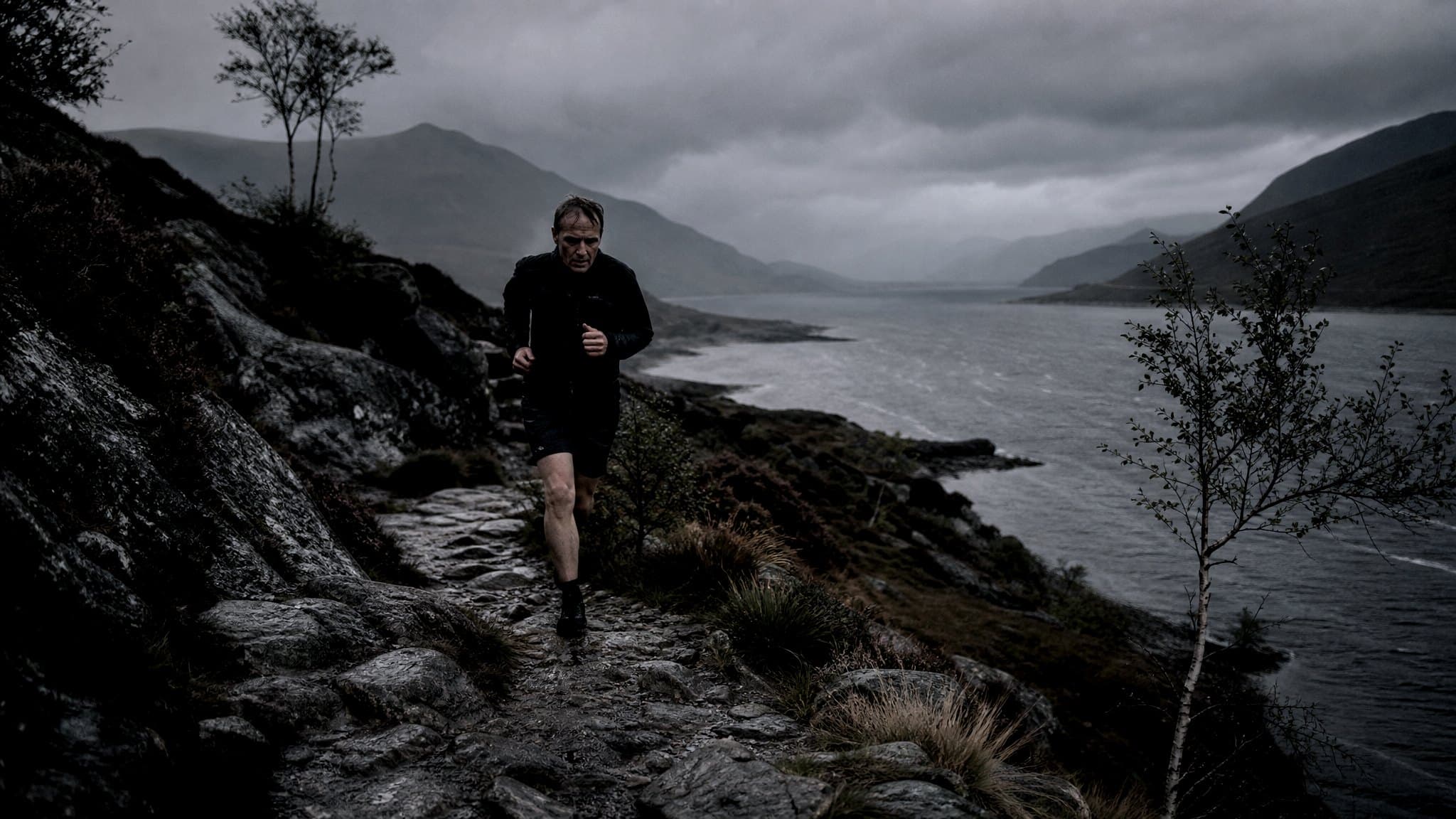
Highland · 95 miles · 01:00 start
West Highland Way Race
What the West Highland Way Race demands: a 01:00 Saturday start, tight early cut-offs on the Loch Lomond shore, 14,760 ft of descent, midges, cold nights and a crew that feeds you. How I would prepare a runner over 40 for it.
7 min read →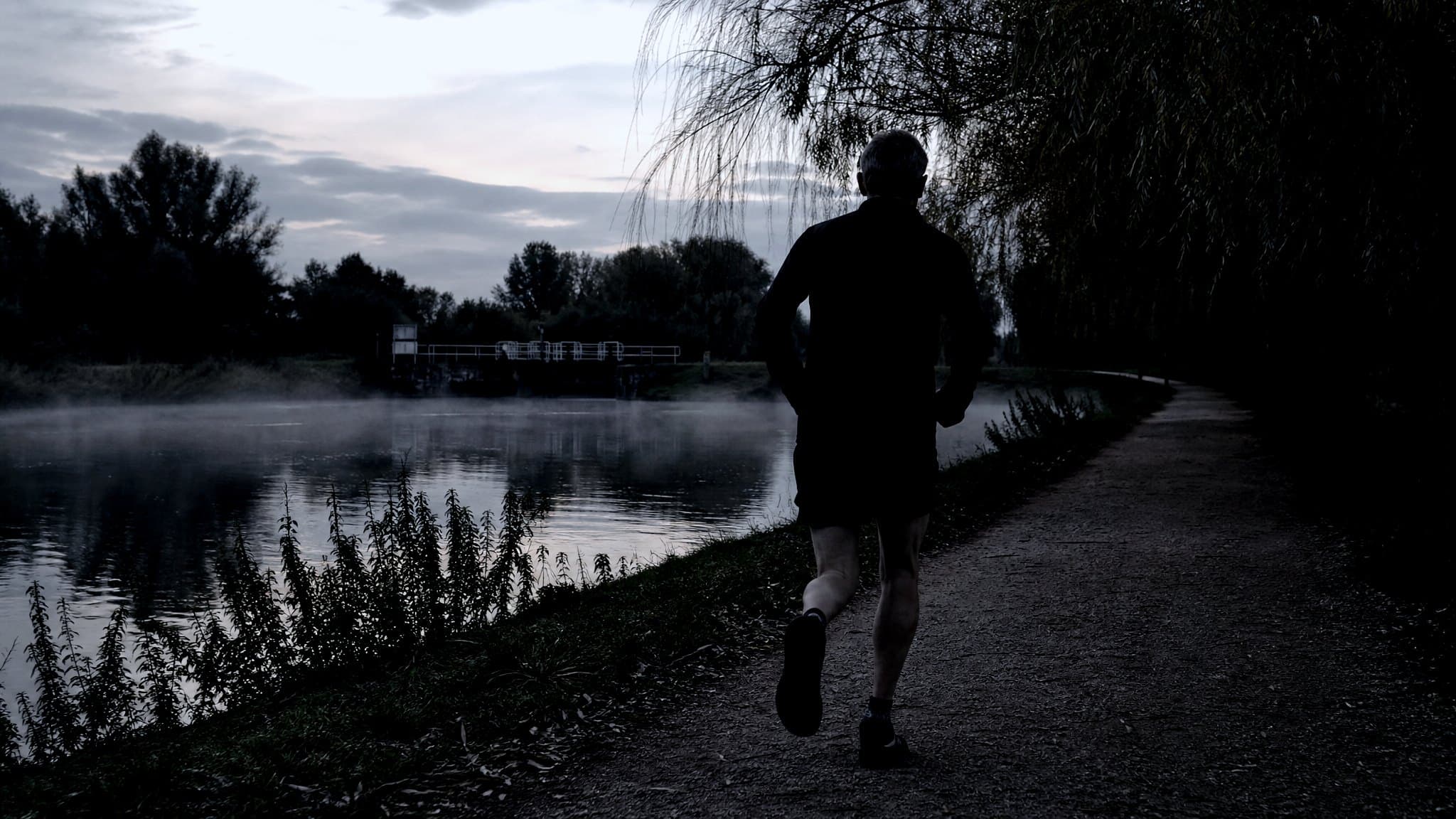
Flat · 100 miles · towpath
Centurion Thames Path 100
What the Centurion Thames Path 100 demands: 1,900 ft of climbing in 100 miles, so no terrain to break the stride, a full night on the towpath, mud when it rains and cut-offs at every aid station. How I would prepare a runner over 40 for it.
7 min read →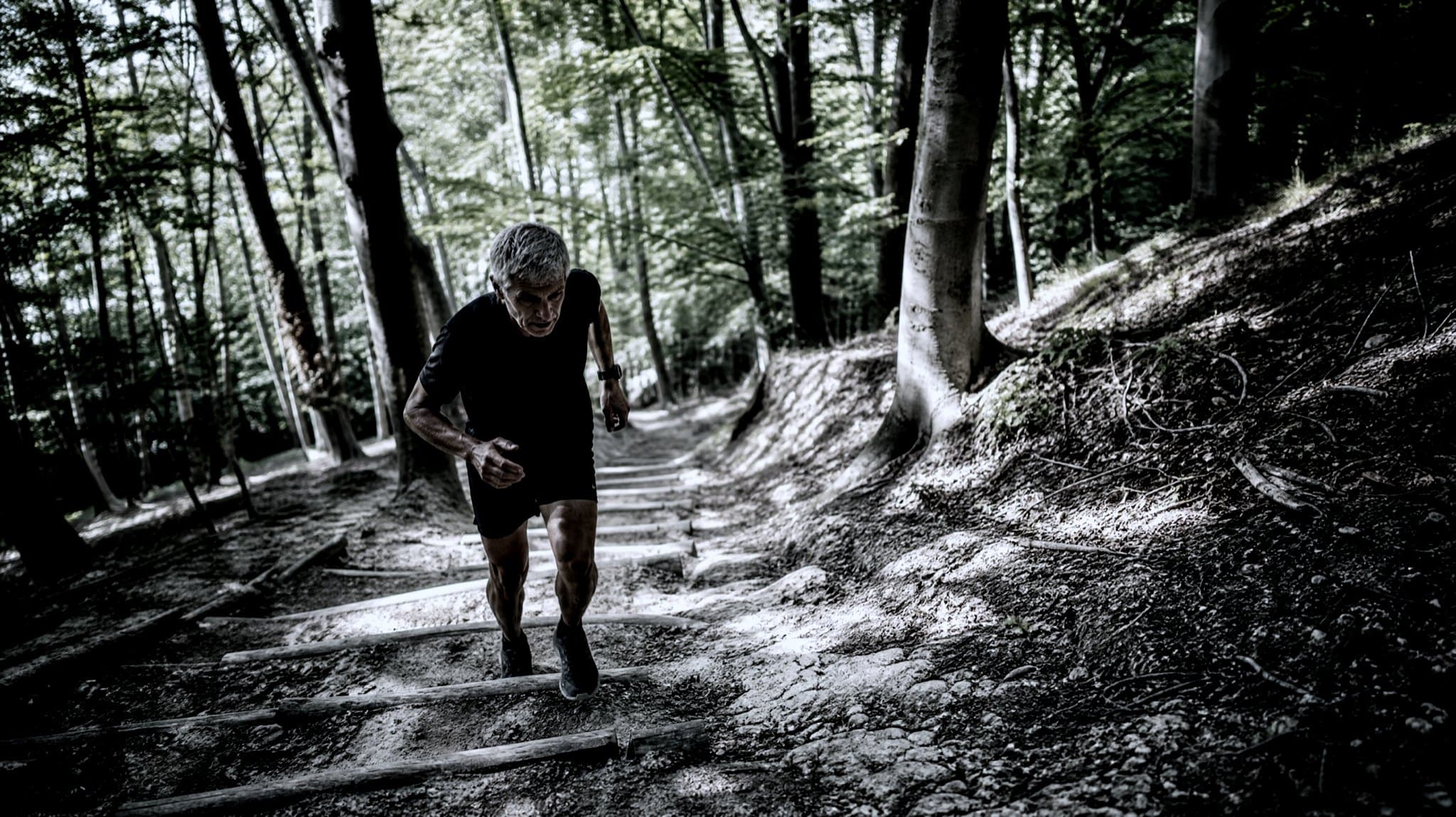
Summer · stairs · 103 miles
Centurion North Downs Way 100
What the Centurion North Downs Way 100 demands: 103 miles from Farnham to Ashford in August, 11,000 ft of climbing with stairs at Box Hill and Detling, afternoon heat and a 55% finish rate in 2026. How I would prepare a runner over 40 for it.
8 min read →
October · no crew · four legs
Centurion Autumn 100
What the Centurion Autumn 100 demands: 100 miles as four 25-mile legs from Goring, a 28-hour limit, no crew at any point, pacers only on the last leg, and October mud, wind and fog. How I would prepare a runner over 40 for it.
8 min read →
Moors · coast · self-navigated
Hardmoors 110
What the Hardmoors 110 demands in 2027: about 110 miles of the Cleveland Way run Helmsley to Filey for one year only, 5,000 m of climbing, a 36-hour limit, your own navigation and a tide at Runswick Bay. How I would prepare a runner over 40 for it.
8 min read →Multi-day and extreme duration
Past a certain duration the limiting factors change species: sleep, feet, kit, digestion and decision-making matter more than any interval session ever will. Training has to rehearse consecutive days, not just long ones.
Winter · 268 miles · non-stop
Montane Spine Race
The Winter Spine is not a running race with some walking in it. What the Pennine Way in January actually demands, and how I'd build a runner for it.
8 min read →
Highland · 236 miles · non-stop, unmarked
The Wrath (formerly Cape Wrath Ultra)
The Cape Wrath Ultra stage race no longer runs. The Wrath replaces it: Fort William to the Cape Wrath lighthouse, 236 miles, non-stop and unmarked, from 2 May 2027. What it asks for and how I'd prepare.
7 min read →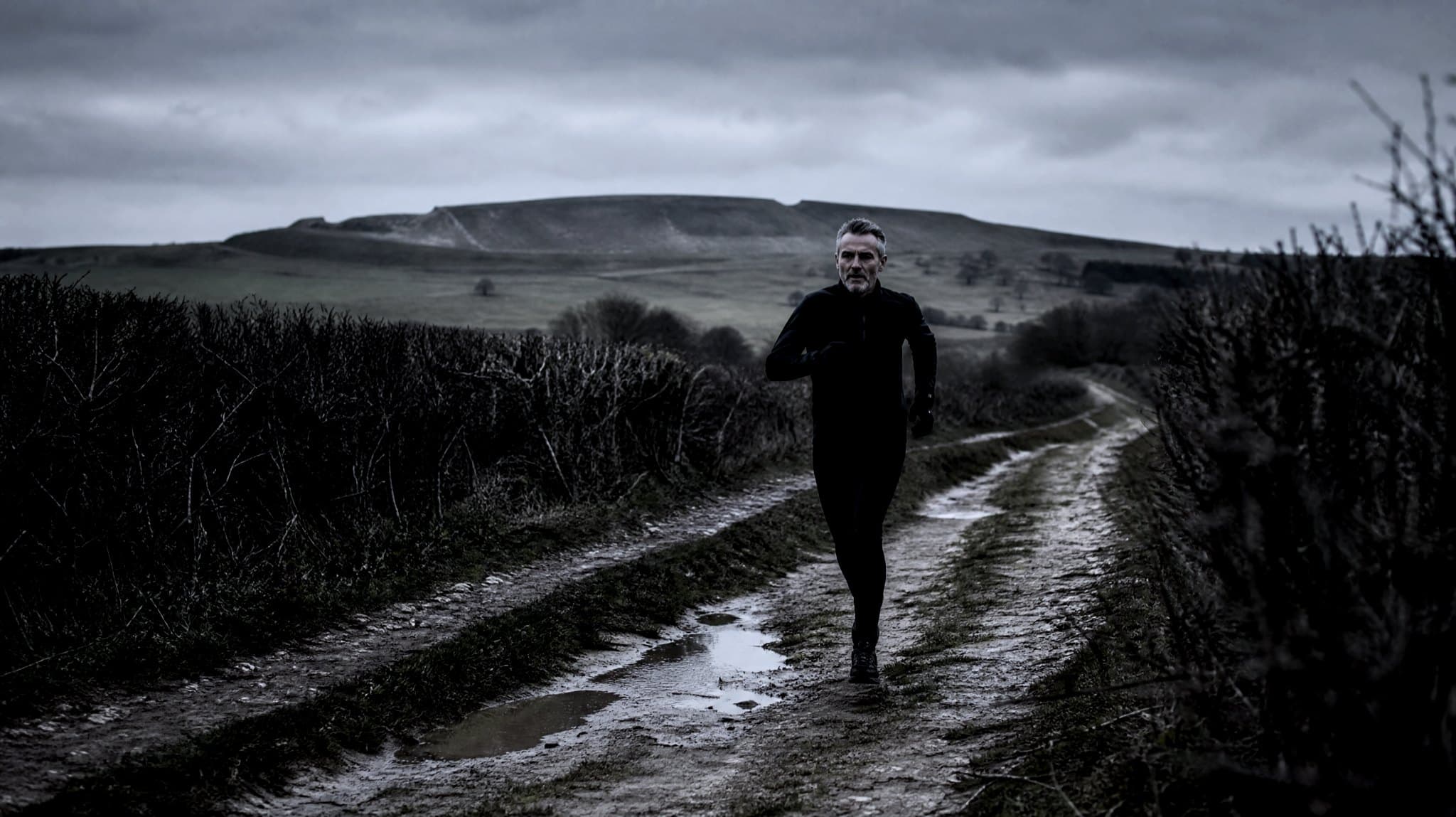
Ridgeway · 3 days · November
Druid's Challenge
What XNRG's Druid's Challenge demands: about 85 miles of the Ridgeway over three days in mid-November, nights on a hall floor, a first day that finishes in the dark, chalk mud and no cut-offs. How I would prepare a runner over 40 for it.
6 min read →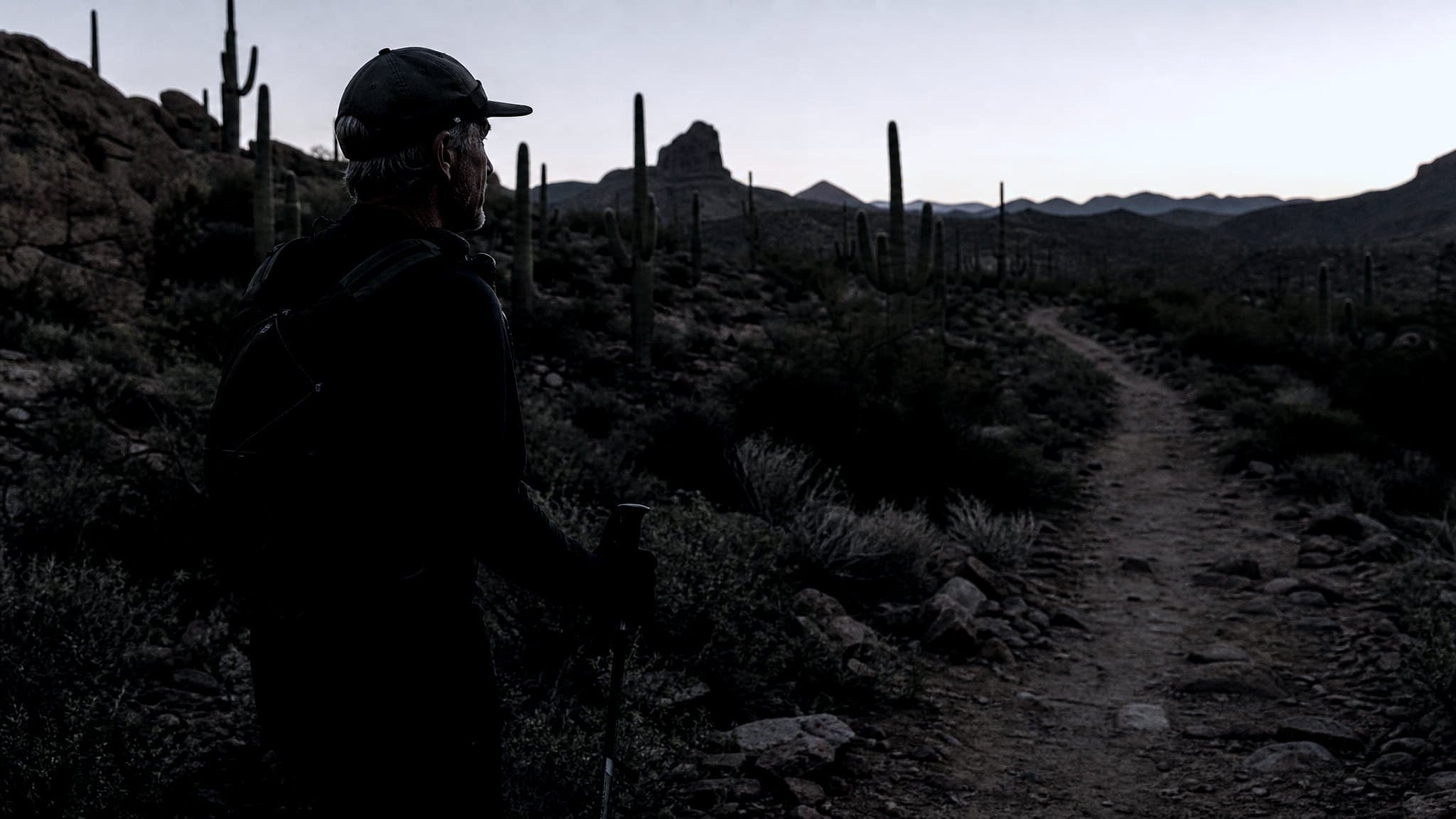
Desert to pines · 253 miles · 125 hours
Cocodona 250
What Cocodona demands: a first day in cactus and 40°C heat carrying four litres, then four nights across Arizona's mountains to 9,000 ft, sleeping in aid-station bunks. How I would prepare a runner over 40 for it.
8 min read →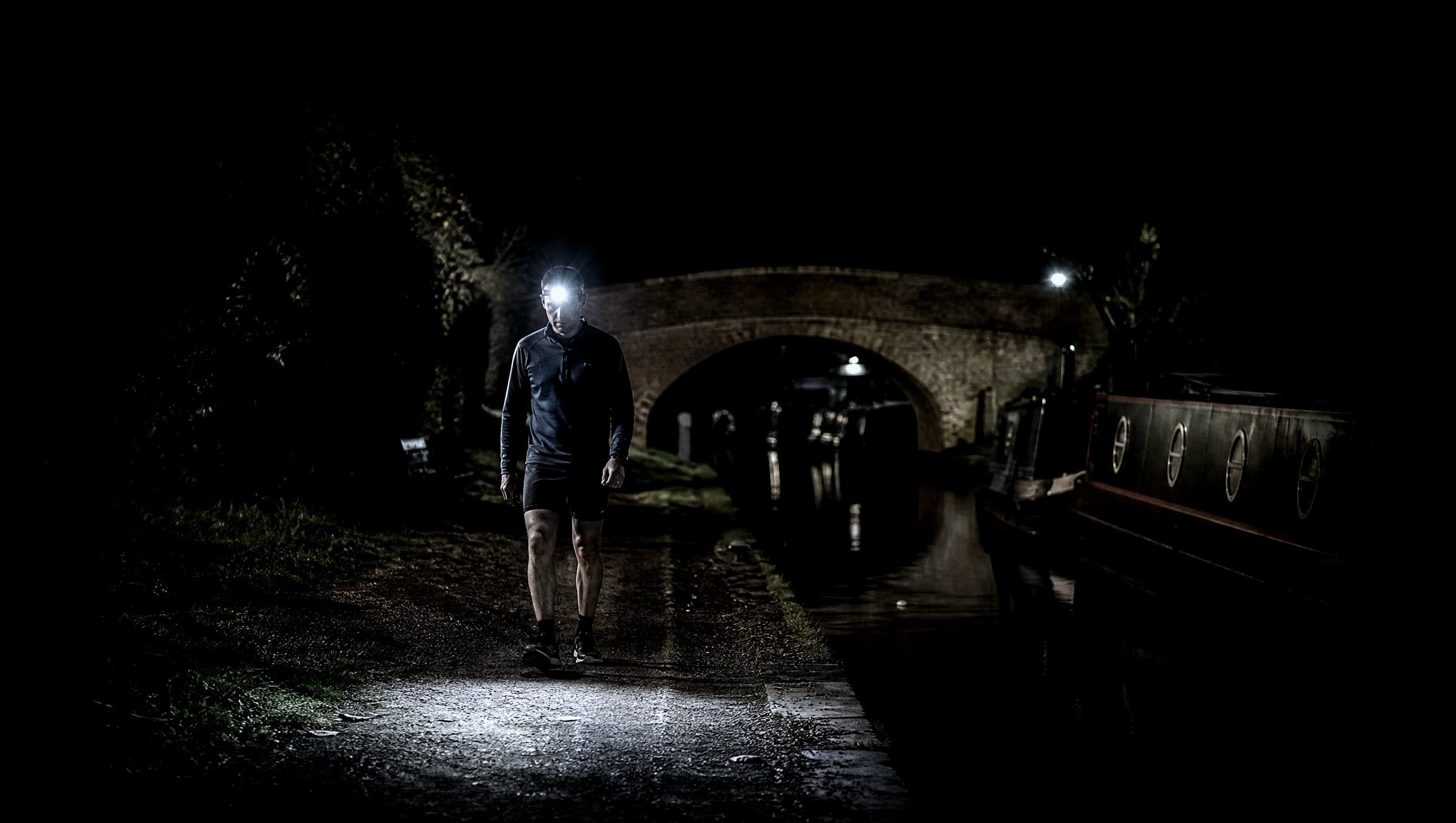
Towpath · 145 miles · 45 hours
Grand Union Canal Race
What the GUCR demands: 145 flat miles with aid up to 21 miles apart, one or two nights on a towpath, no medical cover, heat with no shade and a 45% finish rate. How I would prepare a runner over 40 for it.
7 min read →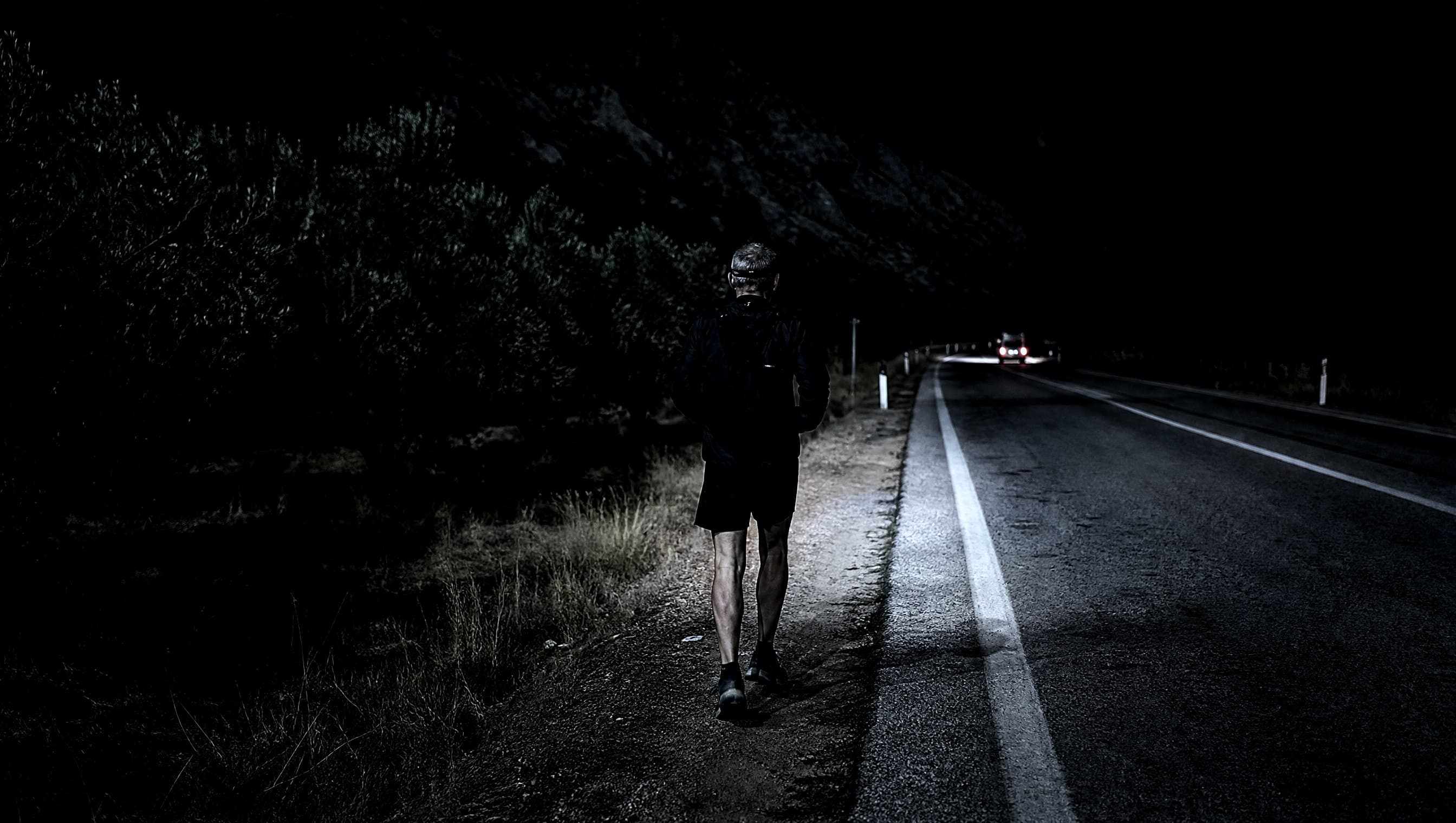
Road · 246 km · 75 cut-offs
Spartathlon
What Spartathlon demands: a marathon-plus first 80 km inside tight cut-offs, heat on open roads, a mountain at midnight after 160 km, and 75 checkpoints that each close on time. How I would prepare a runner over 40 for it.
8 min read →Road and runnable
Runnable ultras remove the excuses terrain provides. With nowhere to hike, durability shows up as the pace you can still hold in the final quarter, which makes economy, fuelling and pacing discipline the whole game.
Road · 90 km · 12-hour gun
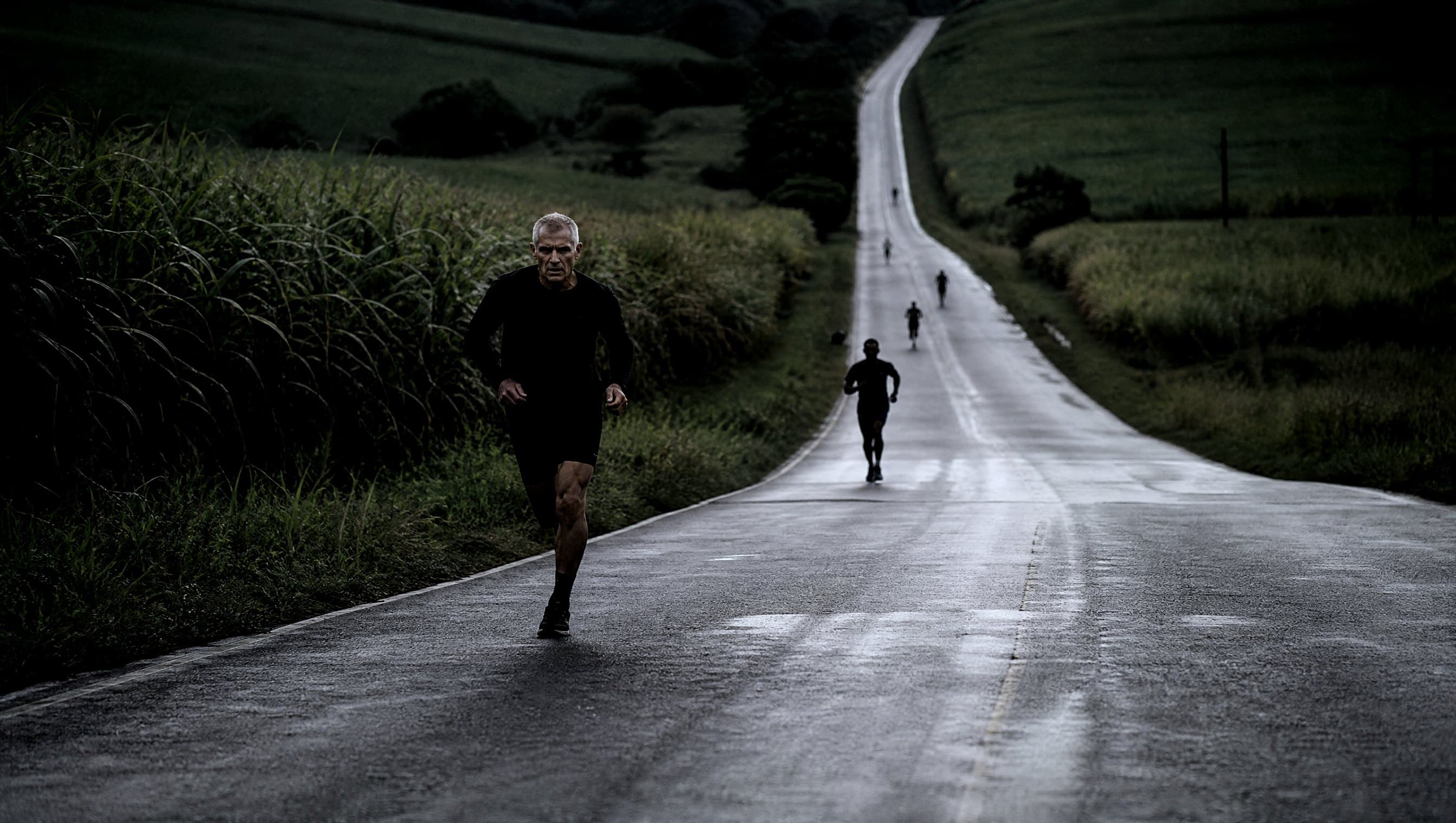
Comrades Marathon
What Comrades demands: the Big Five hills on tar, a 12-hour limit enforced to the second, cut-offs at every stage, and in 2027 a Down Run that hammers the quads. How I would prepare a runner over 40 for it.
7 min read →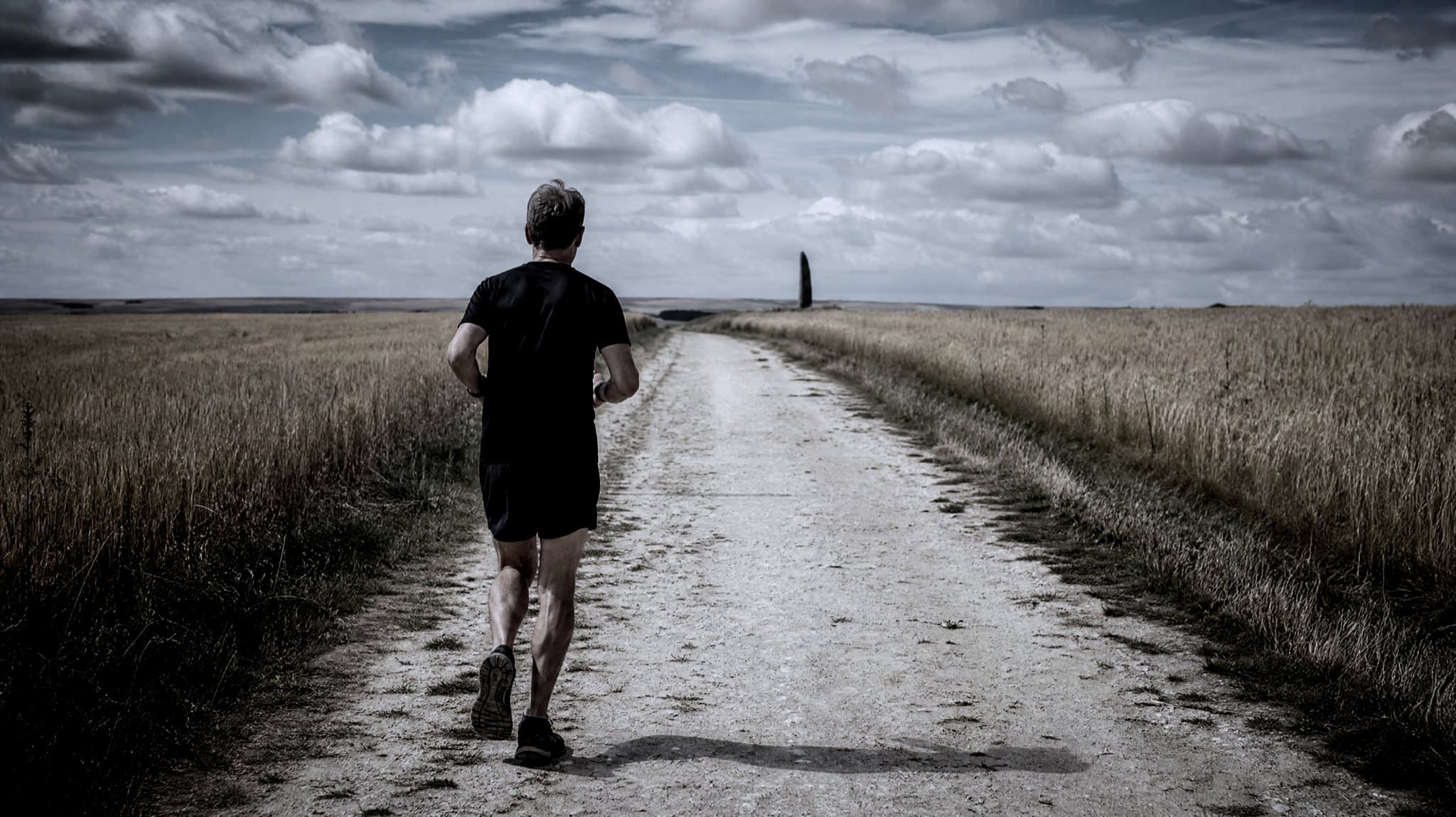
Ridgeway · 100 km · first ultra
Race to the Stones
What Race to the Stones demands: 100 km of runnable chalk trail from Lewknor to Avebury, 1,350 m of climbing, July weather, and a choice between one push and two days. How I would prepare a runner over 40 for it.
7 min read →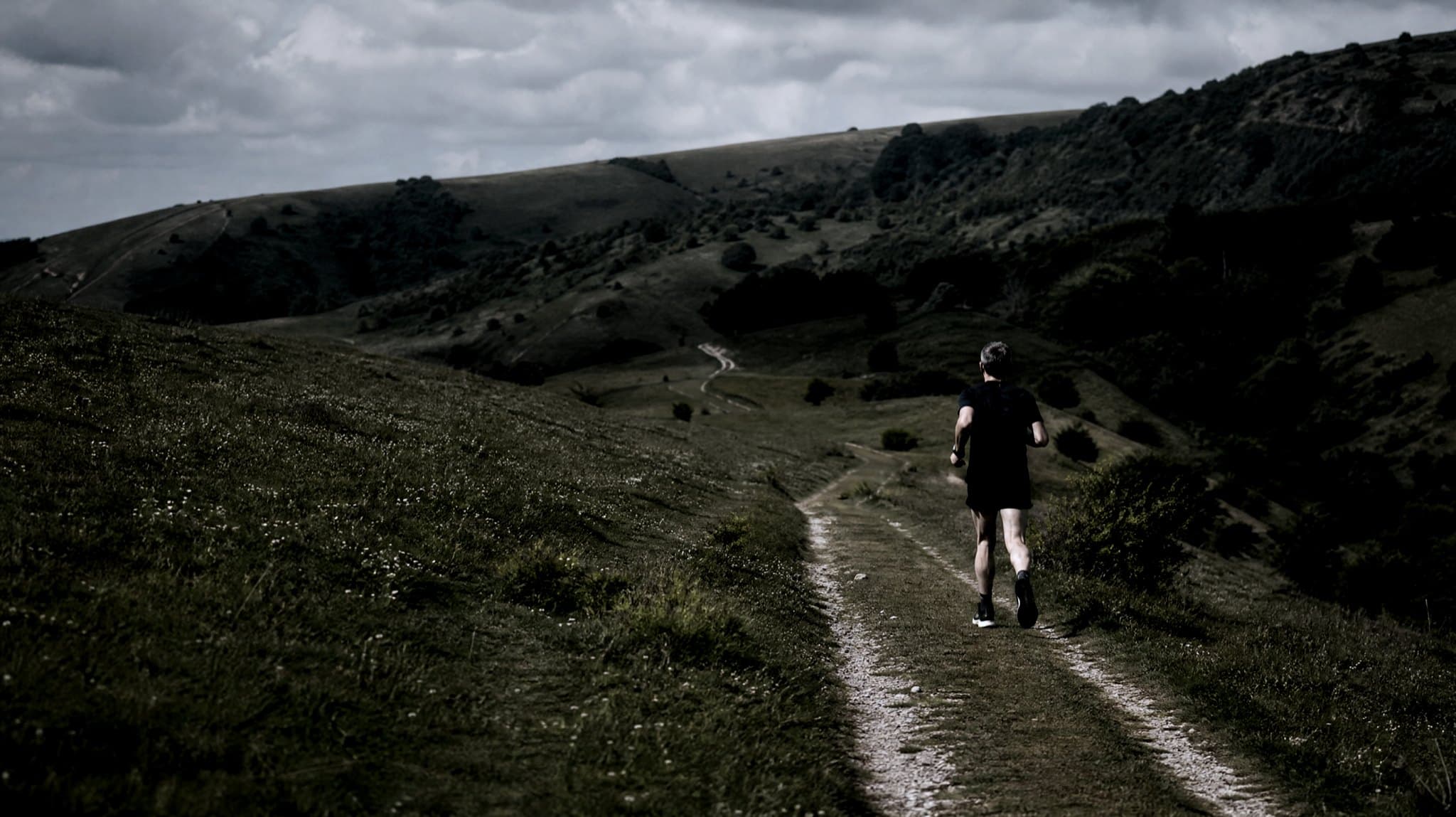
Figure of eight · 103 km · West Dean
Race to the King
What Race to the King demands now the Winchester route has gone: 103 km and 1,510 m of climbing in two loops from West Dean, the hillier loop second, and a 19 km gap between the last two pit stops. How I would prepare a runner over 40 for it.
7 min read →Your race isn't here yet?
The library grows race by race. Coaching doesn't wait for a page: tell me the event and I'll build around its demands.